Welcome the first day of spring with a closer look at the vernal equinox, its traditions and the legends that surround it.
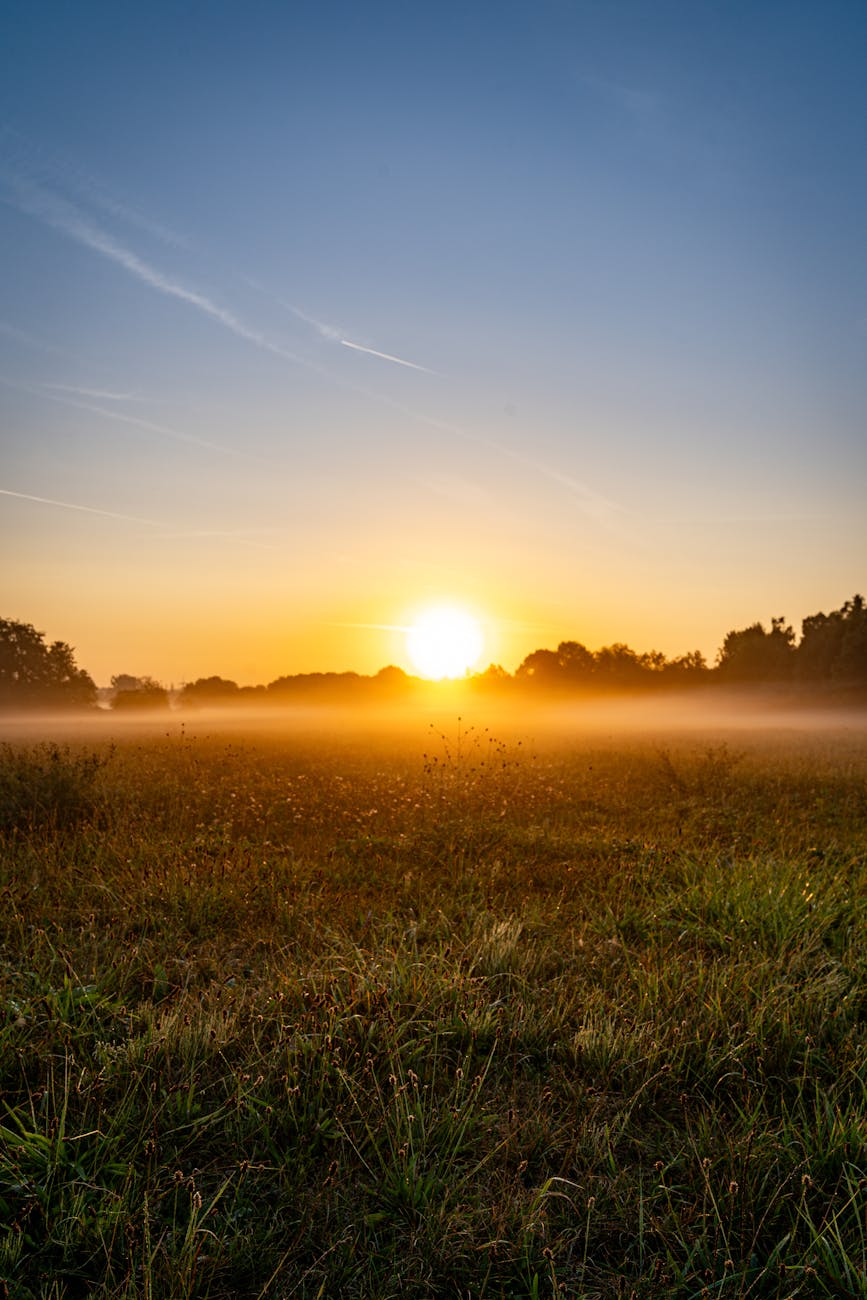
Each year, we mark the arrival of spring with the vernal equinox, also known as the spring equinox. In 2026, it occurs at 10:46 a.m. on Friday, March 20, when the sun aligns over Earth’s equator and day and night are nearly equal. From that point on, the days grow longer and warmer weather begins to settle in.
As winter loosens its grip, spring brings a sense of renewal and energy. This is my favorite time of year to open the windows, let in fresh air, and tackle a little spring cleaning. With longer days and milder temperatures, it’s also a great time to try something new, whether that’s picking up a hobby, planning a weekend getaway or developing a new skill.
This post explores the science and traditions of the spring equinox and offers a few ideas to help you turn this seasonal milestone into a learning opportunity.
What exactly is the vernal equinox?
The spring equinox is one of four key points in Earth’s astronomical calendar, which is influenced by the planet’s orbit around the sun. The summer solstice, around June 21, marks the longest day of the year, while the winter solstice, around December 21, marks the shortest. The equinoxes fall midway between them, with the spring equinox in March and the fall equinox around September 22.
Since the winter solstice, daylight in the Northern Hemisphere has been gradually increasing. At the spring equinox, the sun aligns directly over Earth’s equator. After this point, the sun’s most direct rays shift northward, and daylight continues to lengthen until late June, when the sun reaches its northernmost position at the Tropic of Cancer.
The word vernal comes from a Latin root meaning “fresh” or “new,” while equinox combines aequus (equal) and nox (night).
Despite its name, the equinox does not produce perfectly equal day and night. According to The Farmers’ Almanac, daylight typically lasts about six to seven minutes longer than darkness. That’s because Earth’s atmosphere bends light like a lens, so we see the sun just before it rises and just after it sets.
How Earth’s orbit influences the astrological calendar
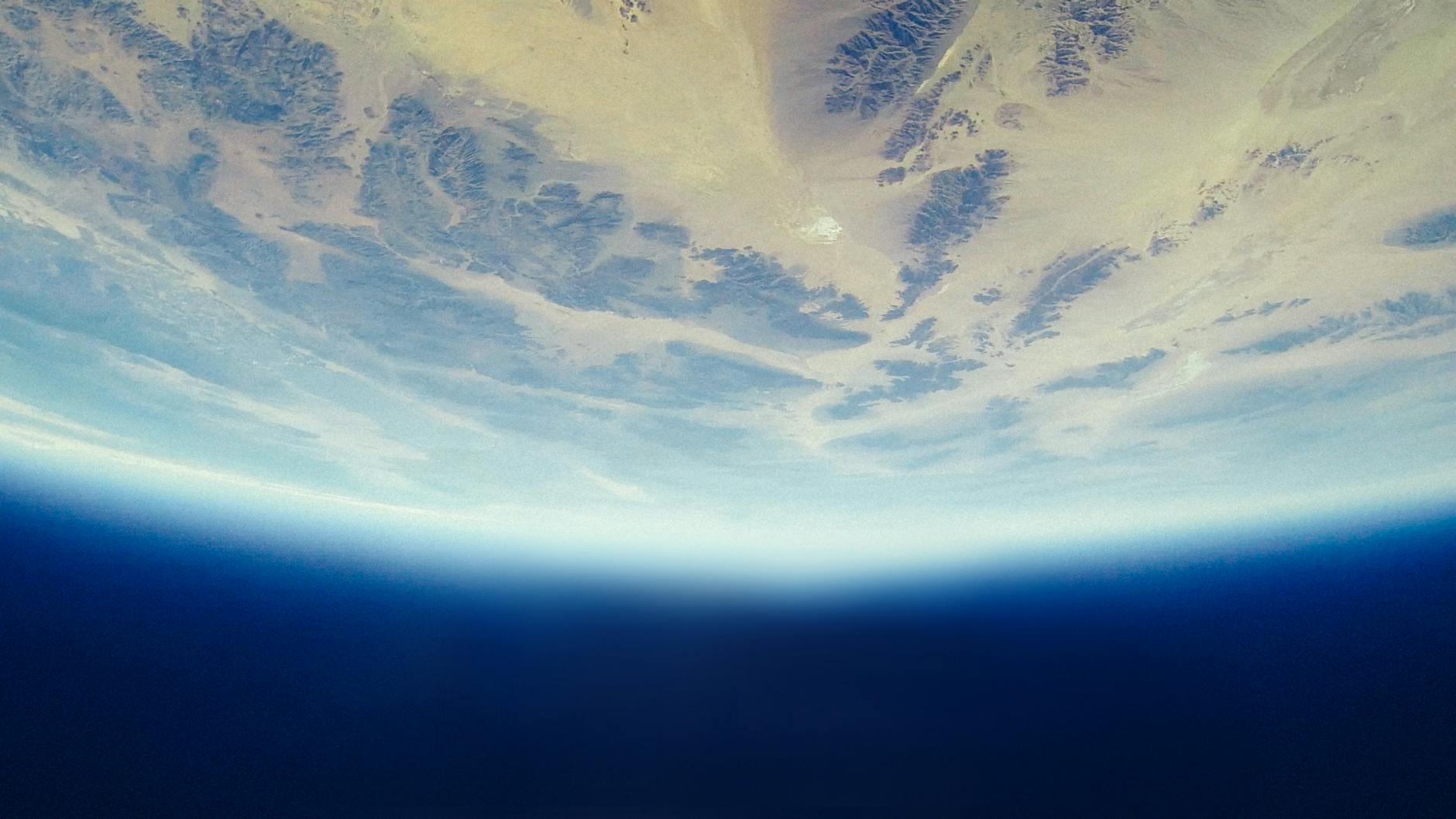
The timing of the spring equinox shifts slightly each year. That’s because a calendar year doesn’t divide evenly into whole days. Leap years are added to keep our calendar aligned with Earth’s orbit around the sun. In addition, gravitational forces from other planets and gradual shifts in Earth’s axis, known as precession, affect the exact timing of Earth’s position in its orbit.
Those orbital patterns also influence the length of the seasons, which are not evenly distributed. Summer is currently the longest season at about 93.6 days, followed by spring at about 92.8 days. Autumn lasts about 89.8 days, while winter is the shortest at about 89 days.
These differences are again tied to Earth’s elliptical orbit. In early January, Earth is about 3.1 million miles closer to the sun, a point called perihelion. By early July, it reaches aphelion, its farthest point. Because Earth moves faster when it is closer to the sun, it travels more quickly during the winter months and more slowly during the summer, affecting the length of each season.
Over time, these seasonal patterns are shifting. Scientists report that spring is shortening by about one minute per year, while winter is decreasing by about 30 seconds annually. Summer and autumn are gradually lengthening as a result.
Ancient Rituals and Traditions
The equinoxes and solstices have held meaning for thousands of years. In pre-Christian times, seasonal shifts were often met with both awe and uncertainty. Would the sun return? Would crops grow or fail? To mark these turning points, they created rituals and festivals centered on light, renewal and the changing seasons.
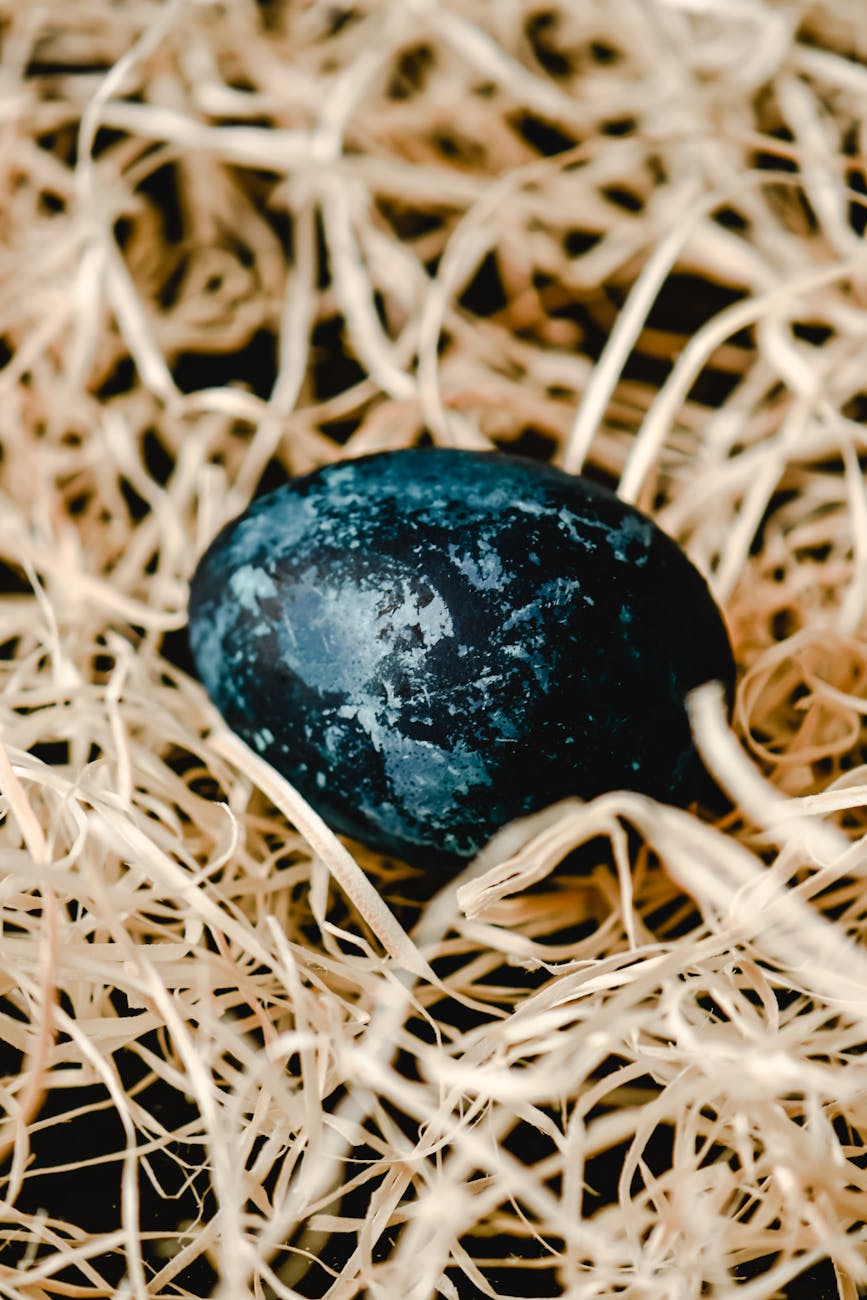
Many modern holidays trace their roots back to these early celebrations. The word “Easter” is believed to have evolved from Eostre, goddess of spring, the dawn, and fertility, according to Jennifer Thompson, author of The Joy of Family Traditions. Festivals held in her honor included symbols of new life, such as eggs, which were exchanged as gestures of friendship and love. Today, Easter is observed on the first Sunday after the first full moon that follows the vernal equinox.
Ancient monuments also reflect this connection to the sun. Structures such as Newgrange in Ireland, Stonehenge in England and Maeshowe in Scotland were carefully aligned with the sunrise or sunset during key solar events. In Peru, the Intihuatana stone at Machu Picchu is believed to have functioned as a solar calendar.
Learning Project Ideas
Learning something new is a great way to celebrate this season of renewal, transition and growth. Here are a few ideas to help you get started.
Test a classic equinox tradition. Try balancing an egg on its oblong end. Legend has it that on the spring equinox, you can balance an egg in an upright position thanks to the Earth’s position relative to the sun. Give it a try and see what happens. Then test it again on another day and compare your results to investigate why this old wives’ tale has endured.
Make a phenology wheel. Phenology is the study of recurring, seasonal plant and animal life cycle events and how these are influenced by climate and weather. You can turn your nature observations into art by making your own phenology wheel. Create the wheel by dividing a circle into sections for each month or downloading this printable template from the Montana Natural History Center. Then head outside regularly to observe and record what you notice in nature. Add drawings, colors or notes to capture changes over time. You can focus on one living thing for the entire year, or zoom out and document the bigger seasonal changes around you.
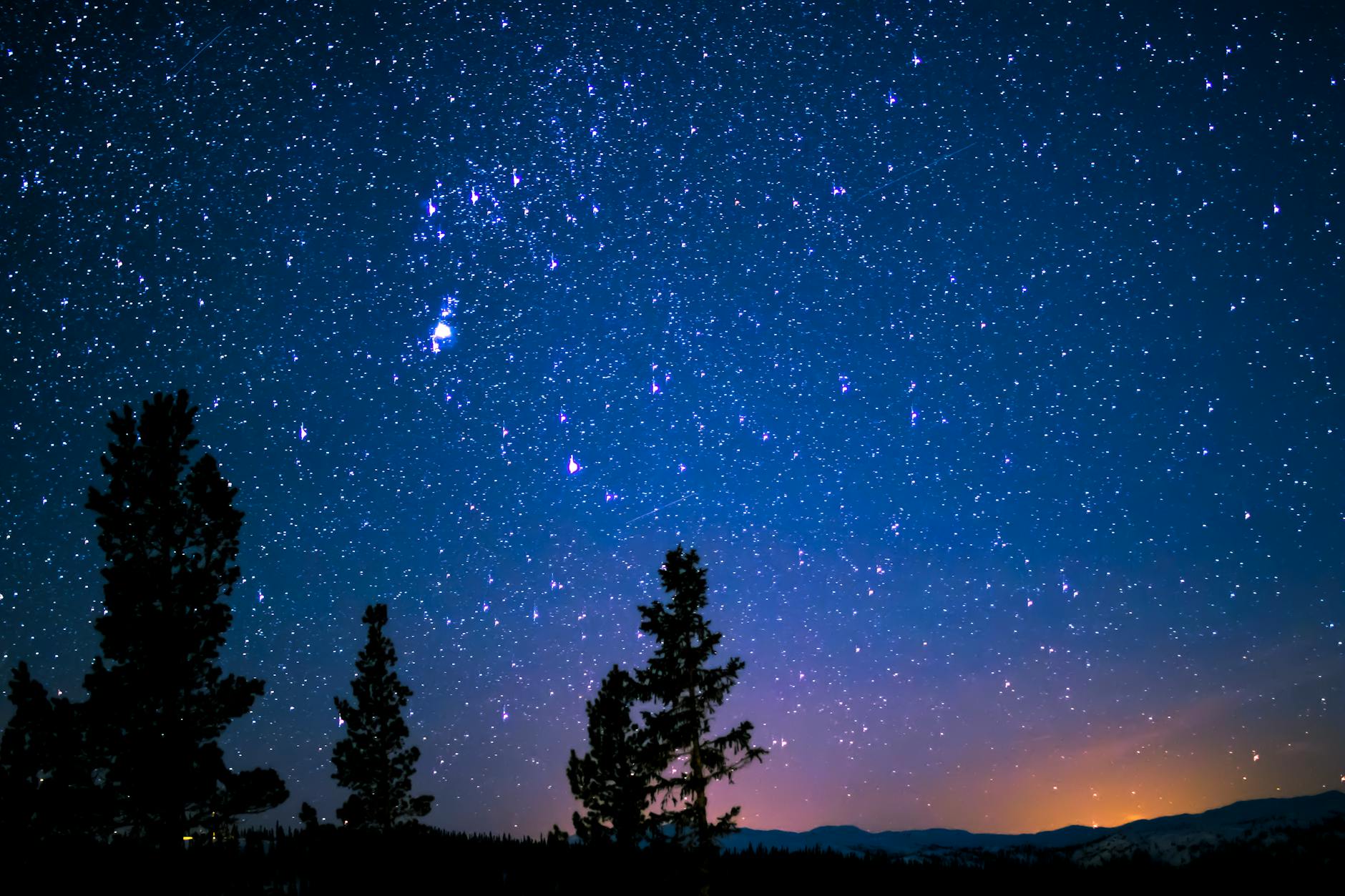
Look up at the night sky. The spring equinox is a great time to start stargazing as new constellations come into view. See if you can spot spring constellations such as Leo, Ursa Major or Hydra, then check back over the next few weeks to notice how their position shifts. Our family has been having fun using the free app SkyView Lite. Just point your phone at the sky to identify stars, planets and constellations in real time using SkyView Lite’s augmented reality technology.
Explore ancient connections to the equinox. Research how ancient cultures marked the passage of time by tracking the position of the sun and the moon, often aligning monuments and structures with the sun on the spring equinox. For example, the Great Sphinx and the pyramids in Egypt are positioned in alignment with the setting sun on the vernal equinox. On that evening, the sun appears to set over the Sphinx’s shoulder and between the pyramids of Khafre and Khufu. Check out this article from History.com highlighting six sites aligned with the spring equinox, then use Google Earth to take a closer look at these remarkable structures.
Photograph the season in transition. Choose a single location, such as a tree, trail or backyard view, and return to it once a week. Capture the gradual changes in light, color and texture to tell the story of spring. If you’re interested in elevating your photography skills, check out my 30-day photography challenge for tips on composition, lighting and exposure.
However you choose to welcome spring, embrace the fresh start. Happy dabbling!







 Project: Dabble
Leave a comment