It’s maple syrup season! That means spring is around the corner. Here’s how to experience the flavors and traditions behind one of nature’s sweetest gifts.
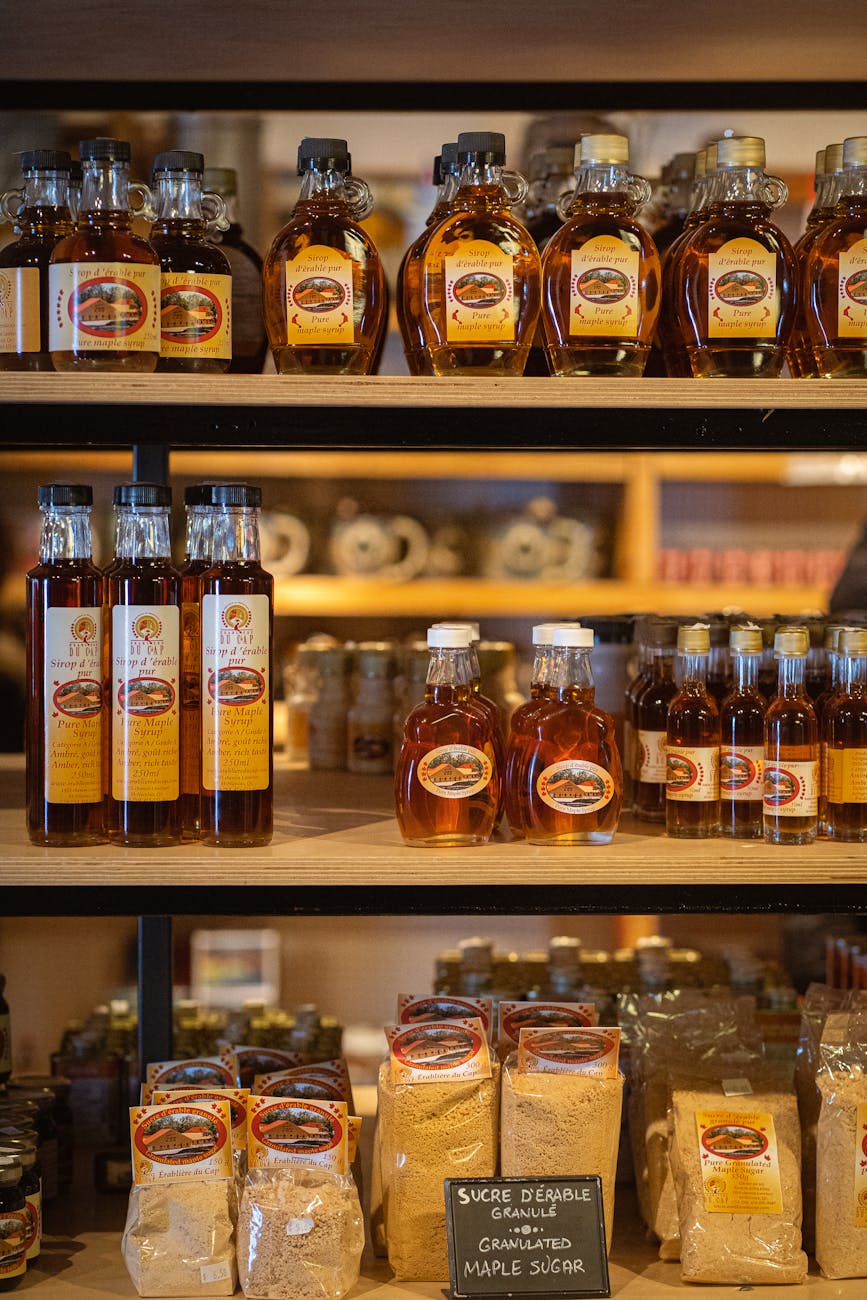
Sugaring season in Northeast Ohio is one of my favorite times of year. For a few short weeks in late winter, maple sap begins to flow and sugarhouses open their doors to visitors eager for a taste of fresh syrup.
Our family loves bundling up for wagon rides through the sugarbush and breathing in the maple-scented steam rising from vats of boiling sap. The season brings all-you-can-eat pancake breakfasts, maple candy making and living history demonstrations at local parks and family-run sugarhouses. The celebration of all things maple is sweet but brief. A typical sugaring season lasts four to six weeks and depends on a delicate pattern of freezing nights and warmer days.
Although maple flavors often appear on autumn menus, for me the taste signals that spring is on the way. In this post, explore the science of sap flow, the traditions of syrup making and ways to turn sugaring season into your next learning project.
History
Maple syrup is uniquely North American. The forests of the northeastern United States and eastern Canada are the only places in the world where maple sap is harvested and boiled down into syrup.
Long before European settlers arrived, Indigenous peoples discovered that the sap of maple trees could be concentrated into sugar. They shared this knowledge with colonists in the 1600s, passing along the techniques that became the foundation of today’s maple industry.
Early maple makers worked with simple tools. A cut was made in the bark with an axe or hatchet, and a small wooden spile directed the sap into a trough or bucket. Sap was gathered by hand and hauled by horse or ox to a central site, where it was boiled outdoors in large kettles suspended over open fires.
In those early days, producers typically boiled the sap down into maple sugar rather than syrup. The hardened sugar could be packed into wooden casks and transported more easily than sticky liquid syrup. It was used mainly at home or traded locally for other goods.
Today, maple production ranges from backyard hobbyists to large commercial operations with more than 100,000 taps. In the United States, 13 states produce maple syrup, with the highest production concentrated in the Northeast and Upper Midwest.
How It’s Made
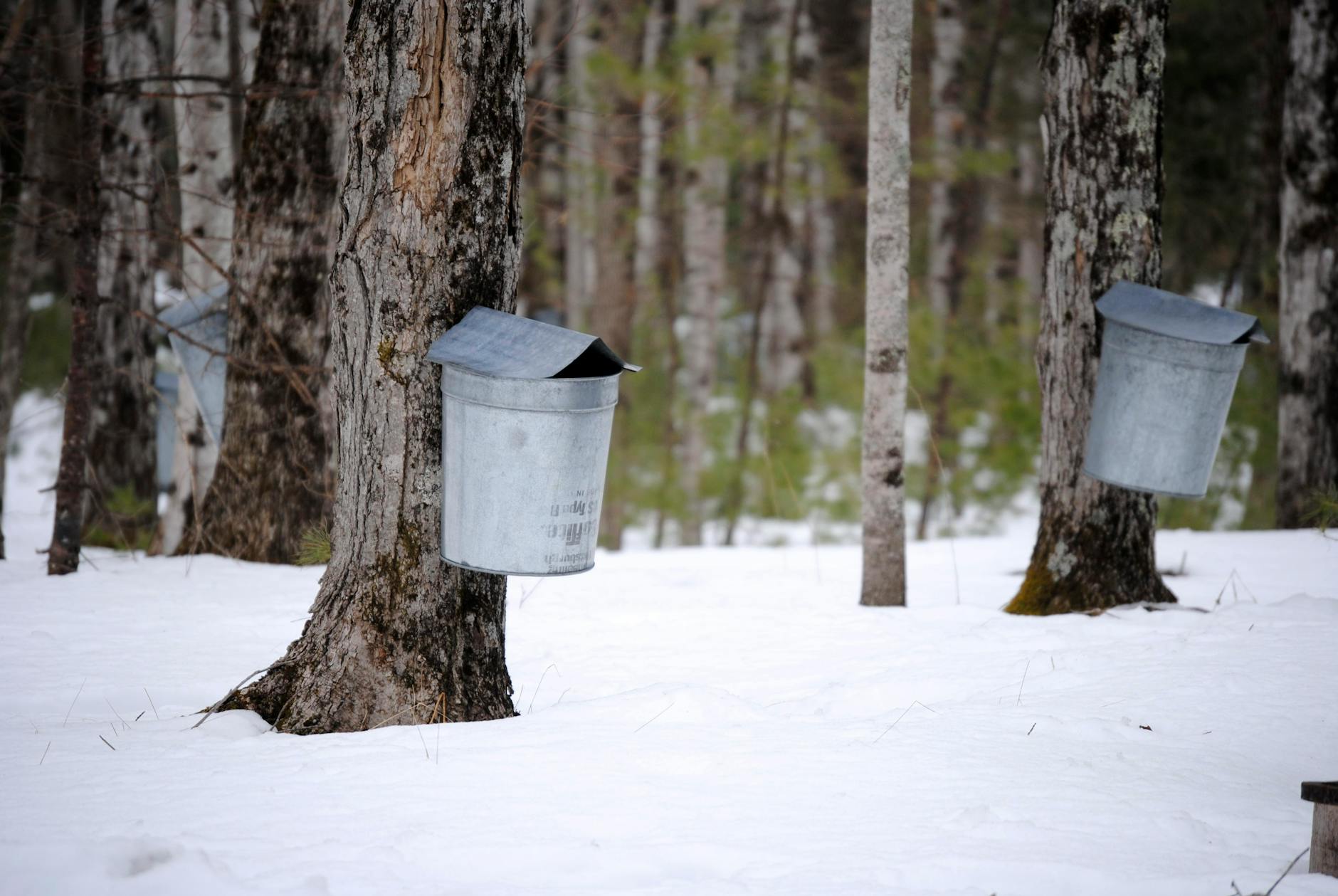
The process begins when late-winter temperatures swing between freezing nights and warmer days. As pressure builds inside the tree, sap begins to flow. Sugar makers drill a small tap hole and insert a spout that directs the clear sap into a bucket, bag or tubing system that carries it to a collection tank at the sugarhouse.
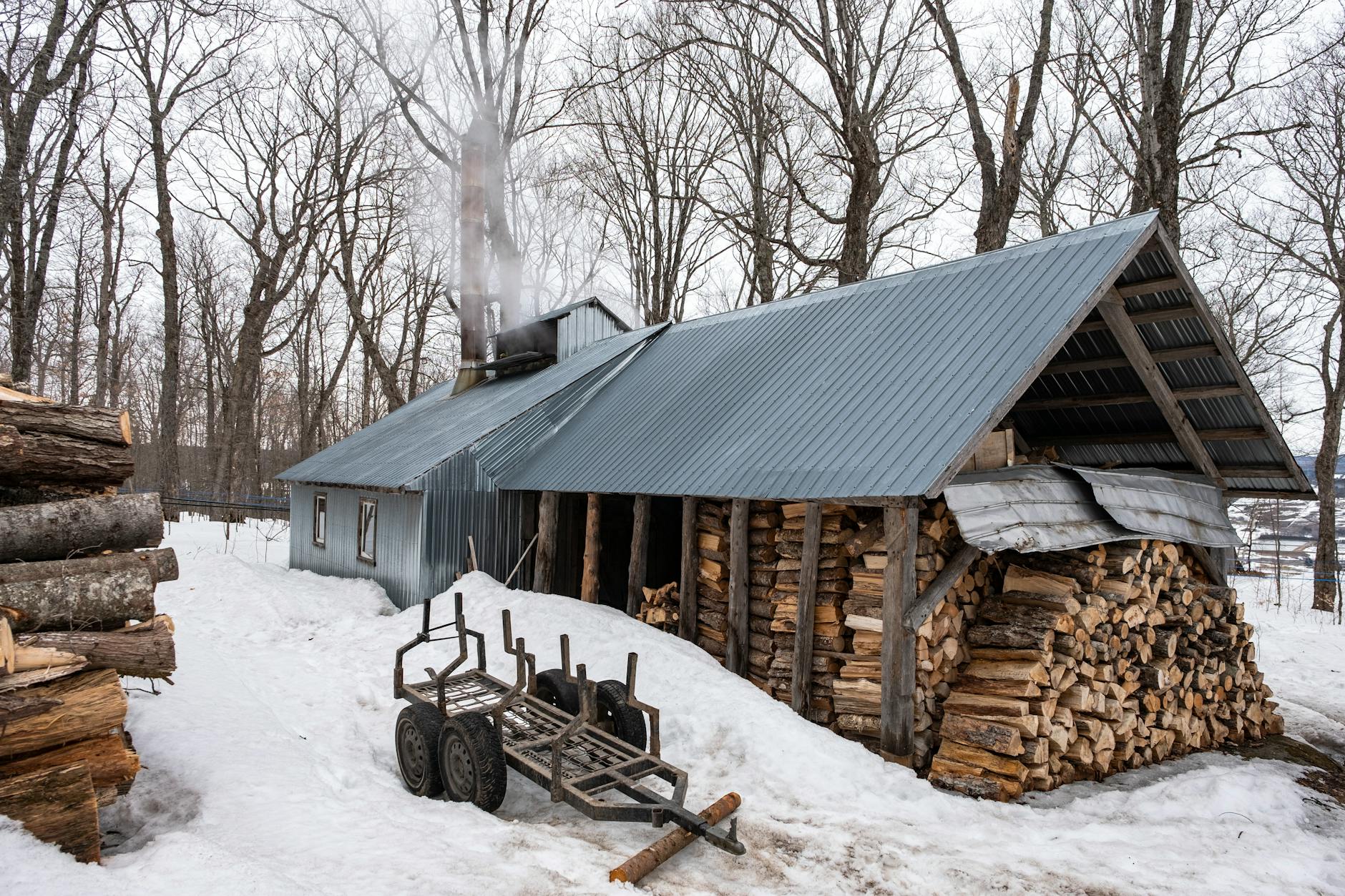
From there, the sap is often run through a reverse osmosis machine that removes some of the water before boiling. It is then heated in large evaporator pans over an intense fire. As the water evaporates, the sap slowly thickens and the sugarhouse fills with clouds of sweet-smelling steam.
Fresh sap contains only about 2 to 3 percent sugar. Finished maple syrup is about 66 percent sugar, which is why the sap must be boiled down so dramatically.
When the liquid reaches about 219°F (roughly 7 degrees above the boiling point of water) it becomes maple syrup. The syrup is filtered and graded for flavor and color before it is bottled. On average, it takes about 40 gallons of sap to produce a single gallon of maple syrup.
Colors & Grading
Maple syrup is graded by color and flavor, which change naturally as the sugaring season progresses. Each grade offers its own flavor profile and best uses, from delicate golden syrup early in the season to very dark syrup with a bold maple taste.
- Golden: Made at the beginning of the season, this light syrup has the most delicate maple flavor. It’s ideal for pancakes and waffles and pairs well with yogurt, ice cream, muesli and fresh berries.
- Amber: Typically produced mid-season, amber syrup has a richer, full maple flavor. It’s a versatile choice for everyday use. Drizzle it over waffles, whisk it into salad dressings or cocktails, or add it to barbecue sauce.
- Dark: Later in the season, maple syrup becomes darker and more robust. This grade works well in baking and cooking and makes a flavorful glaze for meats, vegetables or roasted squash.
- Very Dark: Produced near the end of the season, this syrup has the boldest maple flavor. It’s often used in baking and cooking when maple should be the dominant taste in breads, cookies, sauces or desserts.
Nutrition
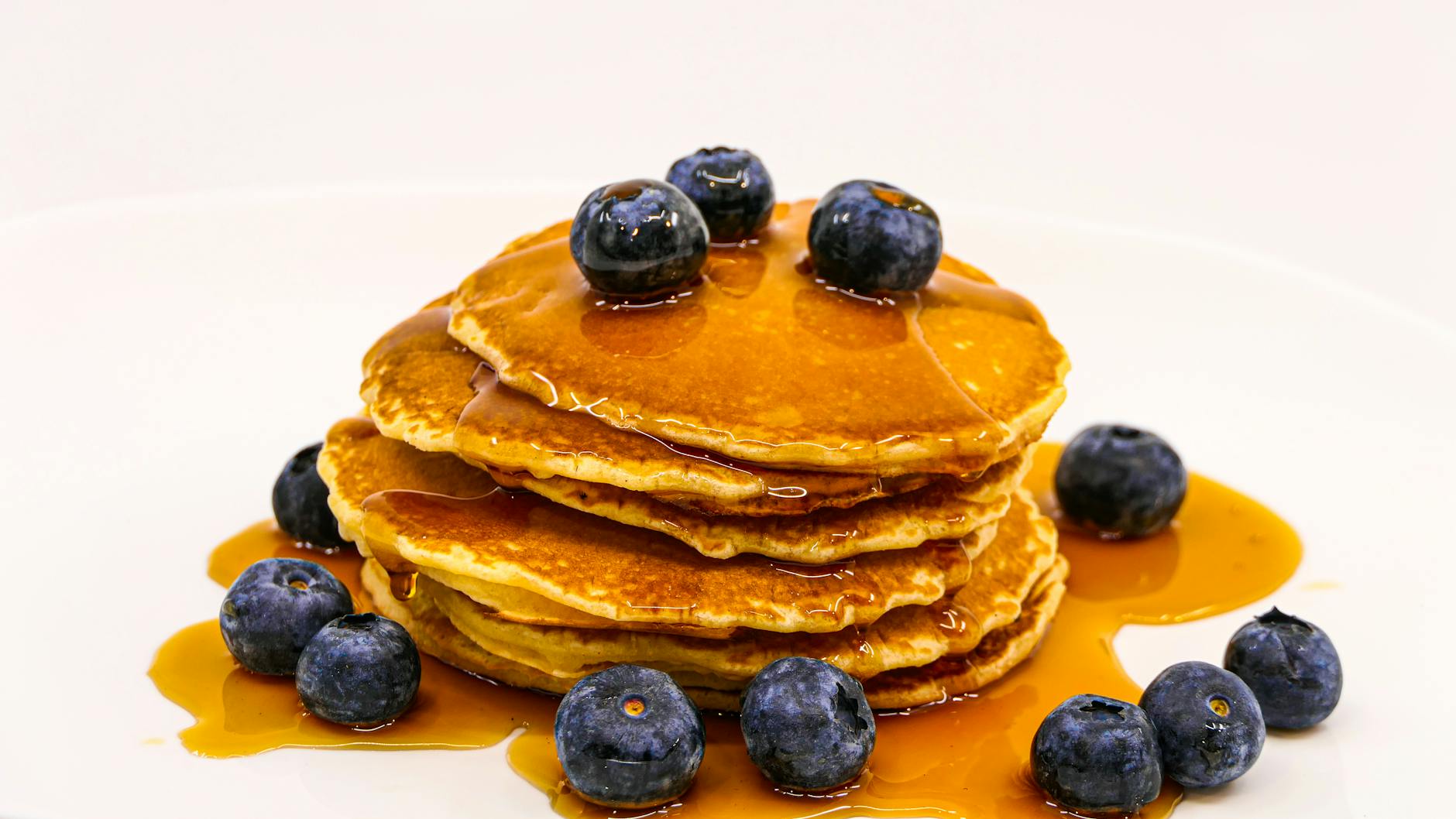
Pure maple syrup is a simple, minimally processed food. According to the International Maple Syrup Institute, maple syrup contains several nutrients, including calcium, copper, riboflavin and manganese, as well as polyphenols, which are plant compounds associated with antioxidant activity.
Like all sweeteners, maple syrup is still a form of sugar and should be enjoyed in moderation as part of a balanced diet.
Learning Project Ideas
There’s so much to discover behind a bottle of maple syrup. These projects will help you explore the science, flavors and traditions behind one of nature’s sweetest gifts.
Taste Maple Syrup Like an Expert
Like wine or coffee, maple syrup has a complex range of flavors, aromas and textures. Those flavors can vary depending on weather conditions, where the trees grow and when the sap is collected during the sugaring season. Production methods inside the sugarhouse, including boiling, filtering and packaging, can also influence the final flavor.
Much of maple syrup’s signature caramel-like taste develops during the boiling process. As the sap heats and concentrates, a chemical reaction called the Maillard reaction causes sugars and amino acids in the sap to brown, creating the rich flavors, aromas and color associated with pure maple syrup.
The Vermont Agency of Agriculture, Foods & Markets recommends a few simple steps for tasting maple syrup:
- Start with the aroma. Smell the syrup before tasting.
- Take a small sip. Let it move around your mouth to notice the texture and mouthfeel.
- Notice the flavors. Look for notes such as baked apple, caramel, honey, butter or floral aromas.
- Watch for off-flavors. Experienced tasters may detect grassy, leathery or burnt notes that can affect quality.
Taking a second sip and comparing impressions with others can help you refine your palate and discover new flavors.
Visit a Sugarhouse
One of the best ways to experience maple season is by visiting a sugarhouse. Check your state’s maple association website for events such as maple weekends, when multiple sugarhouses welcome visitors for tours, tastings and demonstrations.
If maple trees are not common where you live, consider planning a weekend trip to a maple region such as Vermont, New York, Ohio, Pennsylvania or Minnesota during the sugaring season, which typically runs from late February through early April.
Tourism websites and local maple associations often publish interactive maps and event listings that make it easy to find sugarhouses open to the public.
Cook with Maple Syrup
The rich, caramel-like flavor of maple syrup makes it a versatile ingredient in both sweet and savory dishes. Try whisking it into vinaigrettes, blending it into marinades or barbecue sauces, or brushing it over salmon, ham or turkey as a glaze. A drizzle can also enhance roasted vegetables, baked beans, casseroles and chili. Creative recipes include maple salsa, sweet and sour pork, and maple pickled hot peppers.
Because maple syrup dissolves easily in liquids, it’s a delicious sweetener for both hot and cold drinks. Stir a spoonful into coffee or warm milk for natural sweetness, or experiment with drinks such as a maple macchiato or a gin maple mule.
In baking, maple syrup can replace or complement other sweeteners such as white sugar or honey. Its flavor adds a light caramel note to muffins, cookies, cakes, pies and quick breads like banana bread. The grade of syrup can influence how strongly the maple flavor comes through in your finished dish.
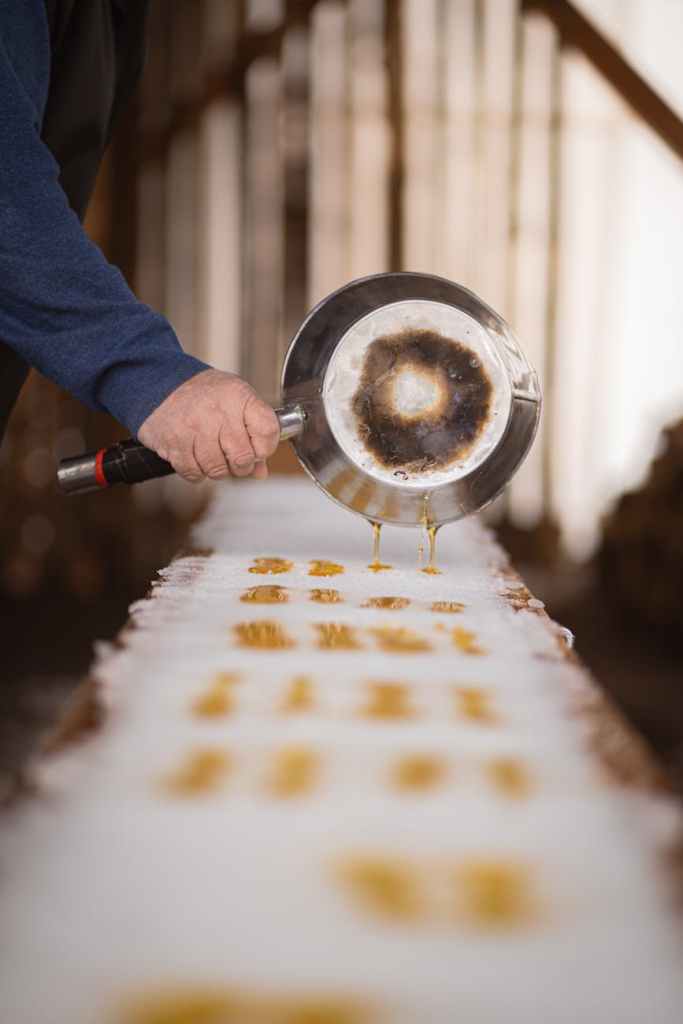
Maple syrup also makes delightful confections such as maple sugar, maple cream, soft maple candy and the classic treat known as maple on snow, where hot syrup is poured over packed snow to create a chewy candy. If you’re interested in trying this at home, the Ohio State University Extension offers helpful guidance on making maple confections.
Make Your Own Maple Syrup
If you have access to a few maple trees, producing your own maple syrup can be a rewarding late-winter learning project. Hobby maple syrup production is a fun and educational activity that families can try at home. And with just a few trees, you may even produce enough syrup to share as gifts.
Step 1: Identify maple trees.
Before tapping, make sure the tree is actually a maple. Maple trees have an “opposite” branching pattern, meaning the leaves and buds grow directly across from each other on the twig. Sugar maples and black maples are preferred for syrup because their sap has a higher sugar content, though red and silver maples can also be tapped.
Step 2: Gather basic equipment.
Hobby producers typically need a few simple tools: a drill, spouts (called spiles), buckets or bags for collecting sap, a container for storing sap, a large pan and heat source for boiling, a thermometer and filters for finishing the syrup. Be sure to use clean, food-grade containers to keep the sap safe and free from unwanted flavors.
Step 3: Tap the trees.
Trees should be at least about 10 inches in diameter before tapping. Drill a small hole in the trunk, insert the spile and attach a bucket or bag to collect the sap. Sap flows best when nighttime temperatures fall below freezing and daytime temperatures rise above freezing. These conditions typically occur in late winter and early spring.
Step 4: Boil the sap into syrup.
Collected sap is boiled to evaporate water and concentrate the sugar. Because sap is mostly water, it can take around 40 gallons of sap to produce one gallon of syrup, depending on the sugar content. The finished syrup reaches the correct density when it is about 7°F above the boiling point of water, then it is filtered and stored.
Explore Maple Sugaring History
Exploring the history of maple syrup reveals how production evolved from early wooden taps and hand-carved troughs to today’s tubing systems and evaporators. It also highlights the cultural and economic importance of maple products across many regions of the United States and Canada.
The research site Maple Syrup History offers an in-depth look at the people, traditions and technologies behind maple sugaring in North America. Created by historian and archaeologist Dr. Matthew Thomas, who has spent more than 20 years studying maple syrup and maple sugar production, the site shares research, historical sources and insights into the craft’s development.
For a full step-by-step guide, including equipment lists and detailed instructions, see the Ohio State University Extension fact sheet “Hobby Maple Syrup Production.”
Tools & Resources
Ready to explore maple syrup season further? These tools and resources can help.
North American Maple Syrup Council
The North American Maple Syrup Council works to promote and support the maple syrup industry across the United States and Canada. Its website provides information on maple syrup grading standards, industry initiatives and resources that help producers maintain quality and consistency in pure maple syrup.
International Maple Syrup Institute
The International Maple Syrup Institute supports maple producers and promotes the benefits of pure maple syrup. Its website offers resources on maple syrup nutrition, grading, production and culinary uses, along with research and industry information.
Sweet Talk: All Things Maple Podcast
Produced by the Cornell Maple Program, Sweet Talk: All Things Maple explores the science, production and culture of maple syrup. The podcast features conversations with researchers, producers and industry experts about everything from tree physiology and sap flow to syrup grading and maple traditions.
Maple for Beginners Video Series – Cornell Maple Program
This free video series from the Cornell Maple Program introduces the basics of maple syrup production for beginners. Short videos cover topics such as identifying maple trees, collecting sap, processing maple syrup and making maple confections.
Maple Recipes – Vermont Maple
Explore a collection of creative recipes featuring pure maple syrup from Vermont Maple. The site includes both sweet and savory dishes, from maple bacon dip and strawberry maple rhubarb pie to roasted cauliflower with maple glaze and maple rosemary roast turkey.
Maple in the Classroom
Parents and educators can use these free educational videos from the Cornell Maple Program to introduce children in grades K–6 to the science and traditions of maple syrup. The lessons explore topics such as maple trees, sap collection and syrup production.







 Project: Dabble
Leave a comment