This winter I discovered a great way to stay in shape and beat the winter blues through snowshoeing. Here’s what I learned and how you can start dabbling in this classic winter sport.
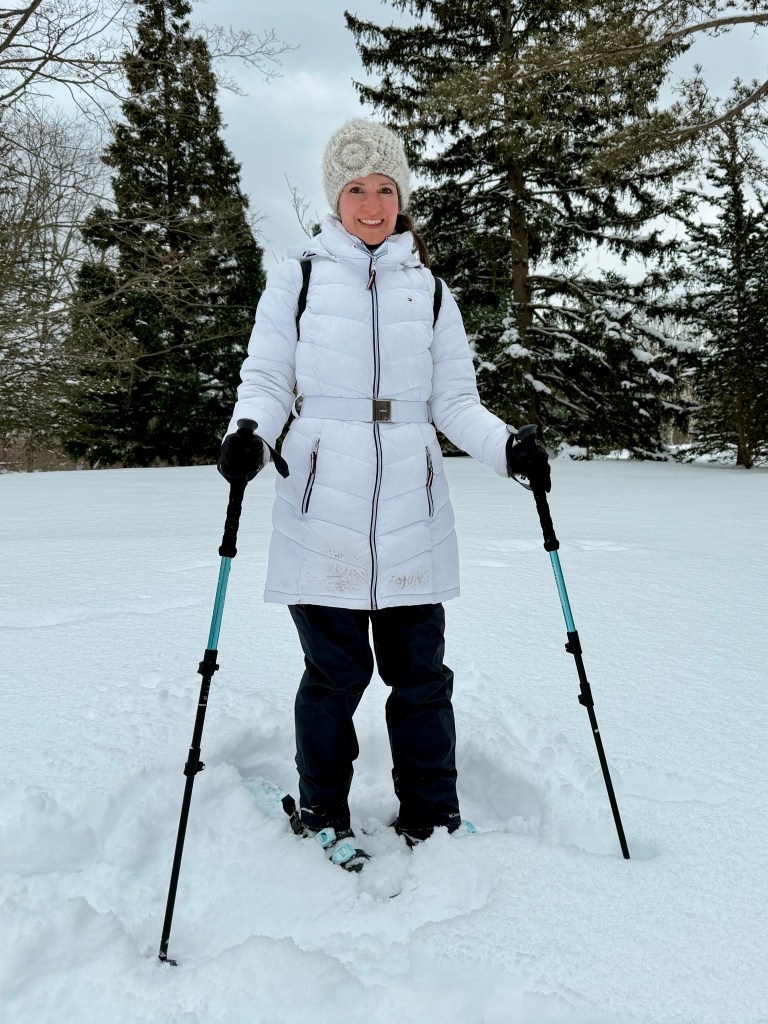
I love dabbling in new ways to stay active, especially outdoors. So when winter delivered record snowfall in Cleveland this year, I decided not to stay cooped up. Instead, I took advantage of the fresh powder and headed out for a snowy hike with my kids on snowshoes.
We rented snowshoes from a nearby park, where the staff helped us lace them up and pointed us toward an easy one-mile trail for our first outing. Within minutes, I understood the appeal. It felt like we were floating atop the snow blanketing the forest floor. At one point I spotted a cardinal perched on a branch, a bright splash of red against the mostly white and brown landscape. The trail, usually bustling with hikers in the warmer months, was completely quiet. Yet rather than feeling dormant, the woods felt alive in winter.
Snowshoeing also turned out to be a fantastic workout. By the time we finished the trail, my heart was pumping and my legs felt the effort. I was hooked.
Since then, we’ve explored several parks around Cleveland on snowshoes, wandered the trails at a local arboretum and even trekked across a nearby golf course. What started as a way to stave off cabin fever has become one of my favorite ways to get outside during the long stretch of winter.
Why Snowshoeing Is Worth Trying
Snowshoeing may look simple, but it’s a powerful form of exercise. Because you’re moving through snow, your body works harder than it does on clear ground. Some estimates suggest snowshoeing can burn up to 45 percent more calories than walking or running, with most people burning roughly 300 to 600 calories per hour depending on pace, terrain and snow conditions. Steeper terrain or deeper powder can push that number even higher.
At the same time, snow provides a softer landing surface than pavement, which means the activity tends to be easier on the joints than road running.
Perhaps the best part is how accessible it is. Unlike downhill skiing, snowshoeing doesn’t require lift tickets, expensive lessons or pricey gear. People of all fitness levels can tailor the experience to match their needs and interests. Snowshoeing can take you on a leisurely walk in the park, a rigorous hike along a forest trail or a challenging backcountry adventure.
A Brief History of Snowshoeing
Historians believe snowshoes were first developed about 6,000 years ago in Central Asia. Early versions were simple wooden platforms that allowed people to travel across deep snow as they migrated into colder regions of the Northern Hemisphere.
Indigenous peoples across North America refined snowshoe design over centuries. Groups such as the Athabascan, Algonquin and Iroquois developed many different styles adapted to specific terrain and snow conditions.
European settlers adopted the technology after arriving in North America. Snowshoes became essential tools for hunters, trappers, explorers and soldiers traveling through harsh winter environments.
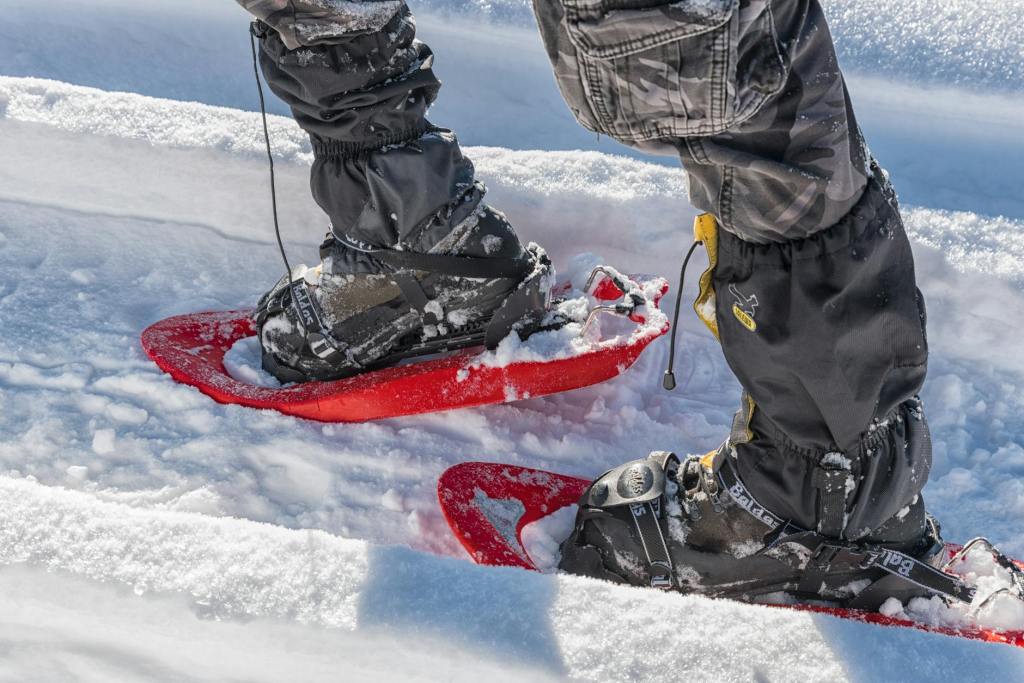
Modern snowshoes look quite different from their traditional wood-and-rawhide predecessors. Today’s models typically feature lightweight aluminum frames, synthetic decking and metal traction components designed for stability and efficiency.
Getting Started
One of the best things about snowshoeing is how easy it is to try. Here are a few tips for getting started.
Rent gear first
If you’re new to the sport, renting snowshoes is a great place to start. Many parks and outdoor recreation centers offer rentals as low as $10, which allows you to experiment before investing in your own equipment.
By contrast, snowshoes generally cost between $100 and $300 depending on the materials and design.
Choose the right type
Choosing the right snowshoe depends on where and how you plan to use it. Snowshoes are generally designed for three main types of activity.
- Running or fitness snowshoes – Lightweight and compact, designed for speed and packed snow.
- Hiking snowshoes – The most common recreational type, ideal for day hikes and moderate terrain.
- Backcountry snowshoes – Built with stronger frames and aggressive traction for deep snow and steeper terrain.
Dress in layers
Snowshoeing can be strenuous, so it’s important to wear breathable layers that keep you warm while allowing heat to escape. Start with a moisture-wicking base layer made from synthetic fabric or wool to keep sweat away from your skin.
Add an insulating middle layer, such as fleece or a lightweight down jacket, to retain warmth, and finish with a windproof or waterproof outer shell to protect against snow, wind and changing weather conditions.
Waterproof winter boots or insulated trail shoes work well to keep feet warm, especially when paired with wool or thermal socks.
Basic Snowshoeing Technique
Walking in snowshoes feels natural after a few minutes, but there are a few techniques that make it easier. On flat terrain, walk with a slightly wider stride than normal to avoid stepping on your snowshoes.
When climbing hills, use trekking poles for balance and plant your feet firmly to engage the traction under your snowshoes. In deep powder, you may need to use a kick-step, driving your toe into the snow to create a stable step before shifting your weight forward.
When descending, keep your knees relaxed and your body weight slightly back. Plant your heel first and move steadily downhill. If you do slip, the safest response is often simply to sit down.
Where to Snowshoe
You don’t need mountains to enjoy snowshoeing. Many everyday winter landscapes become great places to explore, although most locations require at least 6-8 inches of snow before snowshoeing is allowed. Be sure to check ahead to confirm that snowshoeing is permitted and whether trail fees or rentals are available.
Good options include:
- Local parks and nature preserves
- Arboretums and forest trails
- Golf courses that allow winter recreation
- Cross-country ski areas
- Bed and breakfast inns
- Mountain lodges and resorts
Different snow conditions create different experiences. On packed trails, you can move quickly and build your heart rate. In deeper powder, you experience the unique sensation of floating across the snow’s surface.
Staying Safe
Like any outdoor activity, snowshoeing requires a bit of preparation. Try to avoid snowshoeing alone when possible, and let someone know your route and expected return time. If you’re venturing into remote areas, bring navigation tools such as a map, compass or GPS and check weather conditions before heading out.
Plan your route and timing carefully. Travel through snow is slower than hiking on dry trails, and winter days are shorter. What might seem like a short trip can take longer than expected, so start early and allow plenty of time to return before dark.
Hidden hazards such as rocks, roots, creeks or uneven terrain can be concealed beneath the snow, so move cautiously while you’re learning.
Hydration is also important, even in cold weather. Cold, dry air can dehydrate you quickly, and you may not notice how much you are sweating under your layers. Bring water and pack energy-rich snacks such as nuts, dried fruit or jerky to keep your body fueled during your hike.
If you venture into mountainous backcountry terrain, be aware of avalanche risks and avoid steep slopes unless you have proper training and equipment.
Why I Love Snowshoeing
Snowshoeing is a workout, an adventure and a chance to connect with nature all at once. It has also changed the way I experience winter. Because the conditions have to be just right and the opportunity only lasts for a short time each year, snowshoeing makes winter feel like a fleeting gift. Sharing a snow hike with family and friends also brings the warmth of companionship.
Whether you try it once or find yourself hooked like me, grab a pair of snowshoes and head outside. Winter has so much to offer!
Tools & Resources
Books & Publications
Snowshoeing: From Novice to Master (5th ed.) by Gene Prator and Dave Felkley
A comprehensive guide that covers the history, techniques and skills needed to progress from beginner to experienced snowshoer. The book also includes practical advice on gear, safety and navigating winter terrain.
Essential Guide to Winter Recreation by Andrew Vietze (Author)
This practical guide introduces the skills and knowledge needed to safely enjoy outdoor activities during the winter months. It covers topics such as hiking and snowshoeing techniques, cold-weather safety, basic first aid and how to prepare for changing winter conditions.
Snowshoe Magazine
Snowshoe Magazine is dedicated to the sport and recreation of snowshoeing. The online publication features gear reviews, technique tips, trail guides, athlete stories and articles about snowshoe racing and winter adventures.
Guides
Wirecutter: Best Snowshoes
Wirecutter reviews and compares top snowshoe models, helping readers choose the best options for hiking, fitness and backcountry adventures.
Snowshoe Magazine: Snowshoeing for Beginners – The First-Timer’s Guide
This comprehensive beginner-friendly guide explains the fundamentals of snowshoeing, including how to choose the right snowshoes, basic techniques, snowshoe groups and racing, and snowshoeing with kids and pets.
REI: Getting Started with Snowshoeing
This beginner-friendly guide explains the basics of snowshoeing, including gear, clothing, technique and how to choose the right terrain for your first outings.
REI: Snowshoe Gear Checklist
A practical checklist of essential gear for snowshoeing trips, covering everything from snowshoes and poles to safety equipment and cold-weather clothing.
Organizations
U.S. Snowshoe Association
The U.S. Snowshoe Association is the national governing body for competitive snowshoe racing in the United States. Its website features race calendars, national championship information, and a newsletter with news and information about the growing snowshoe racing community.
World Snowshoe Federation (WSF)
The World Snowshoe Federation promotes snowshoeing as both a recreational activity and a competitive sport around the globe. Its website offers helpful information on snowshoe techniques, training tips, race events and the history and growth of the sport.






 Project: Dabble
Leave a comment