My 30-day photography challenge has come to an end. This final week pushed me to explore the many moods of light and create a plan for continuing my learning.
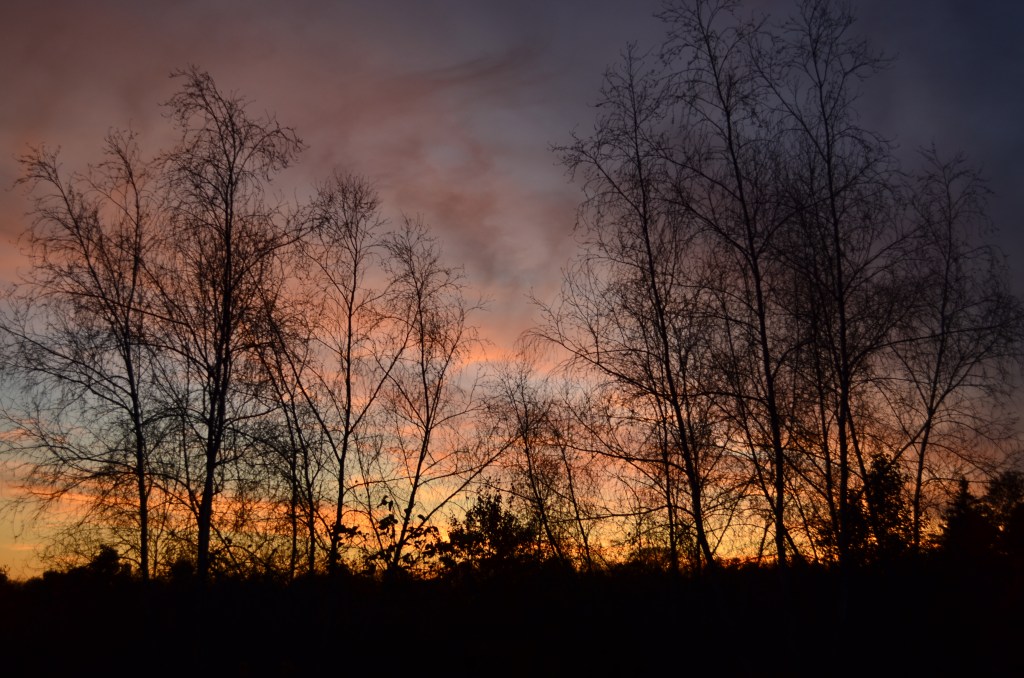
Thirty days. Hundreds of photographs. My digital photography challenge has come to an end. Over the past month, I’ve followed an intense learning plan that introduced me to the fundamentals of digital photography. I’m now producing photos that are consistently sharp and properly exposed using the manual settings and shooting modes on my Nikon D5100.
For this challenge, I applied research-based strategies for learning quickly and effectively. I also shared weekly reflections on my progress:
While I’m still far from mastery, this challenge has opened my eyes to new methods of visual storytelling and artistic expression with my camera.
Week Four: Understanding Light
This week’s exploration of light was the most challenging yet. In Cleveland, we often joke that you can experience all four seasons in a single day. Just when I think I’m getting the hang of a skill during a photo session, the light shifts and I have to recalibrate. Despite these challenges, I discovered many creative possibilities for using light, not only to take great photos, but to make art.
In this final stretch, I read chapters 15-18 in the Digital Photography Complete Course: Learn Everything You Need to Know in 20 Weeks. I also completed exercises for the following skills:
- Adjusting white balance and color tone to enhance mood and accuracy.
- Positioning and evaluating lighting angles to control highlights and shadows.
- Using bounce and fill flash to balance lighting in a scene.
- Configuring ISO, aperture, and shutter speed to capture clear, well-exposed images in low light.
- Diagnosing and correcting common low-light issues such as noise, blur, and underexposure.
For this week’s exercises, I knew I’d be working within the vagaries of Cleveland’s weather and the shorter daylight hours of November. To stay ahead of those challenges, I took a different approach to my learning routine and read all the chapters right at the start. Doing so helped me anticipate the skills and requirements for each exercise and be ready when the right lighting situation presented itself.
This also meant completing the exercises out of order from how they appear in the book. That approach worked well and aligns with my strategy of using varied and interleaved practice to enhance my overall learning, which I wrote about in my Week Three update.
In the Field
In true Cleveland fashion, this week delivered it all: sunny blue skies, icy rain, and, as I write this, a winter storm warning predicting anywhere from two to ten inches of snow. These quick shifts in weather offered the perfect laboratory for studying light in all its moods and variations.
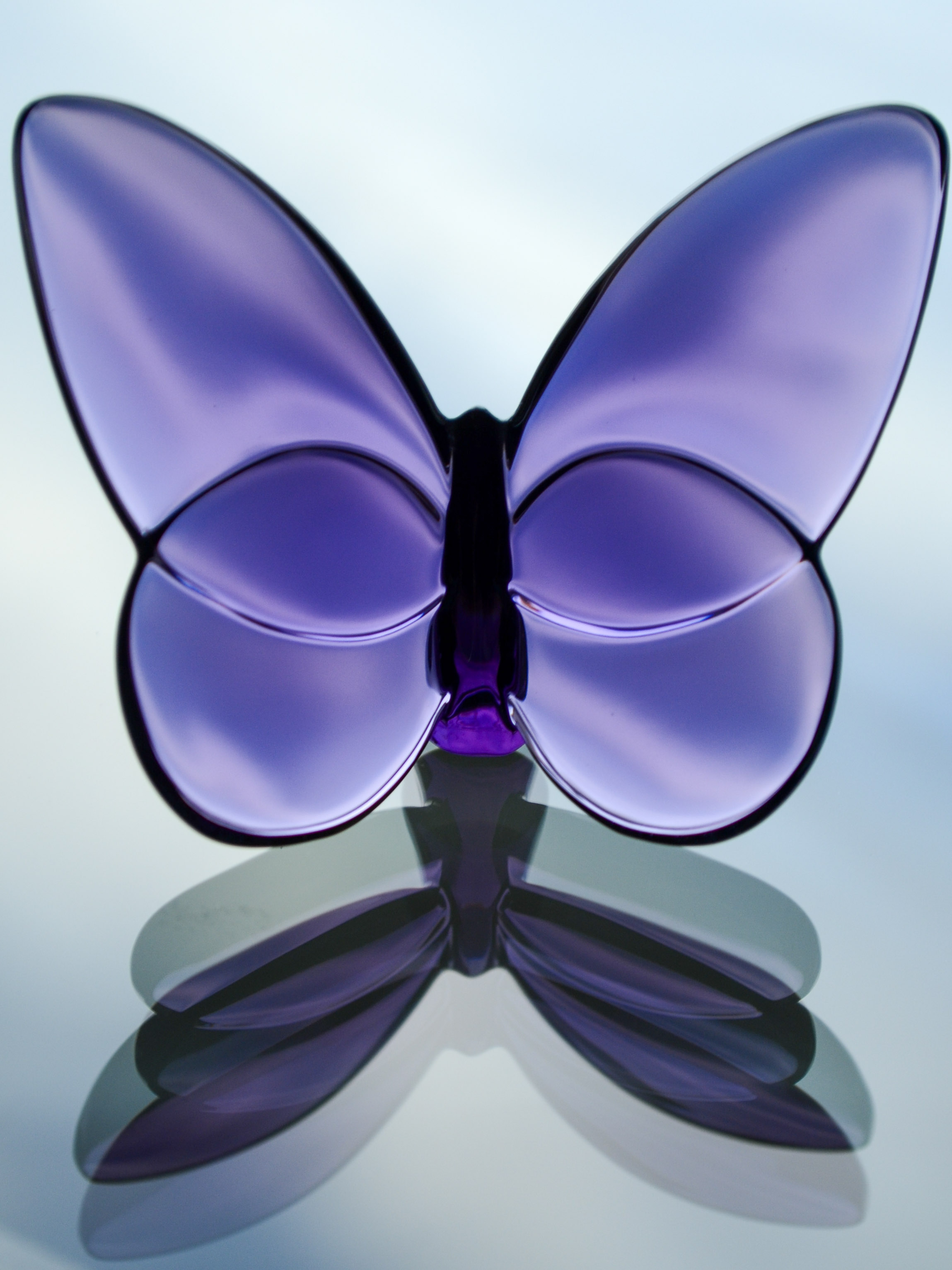
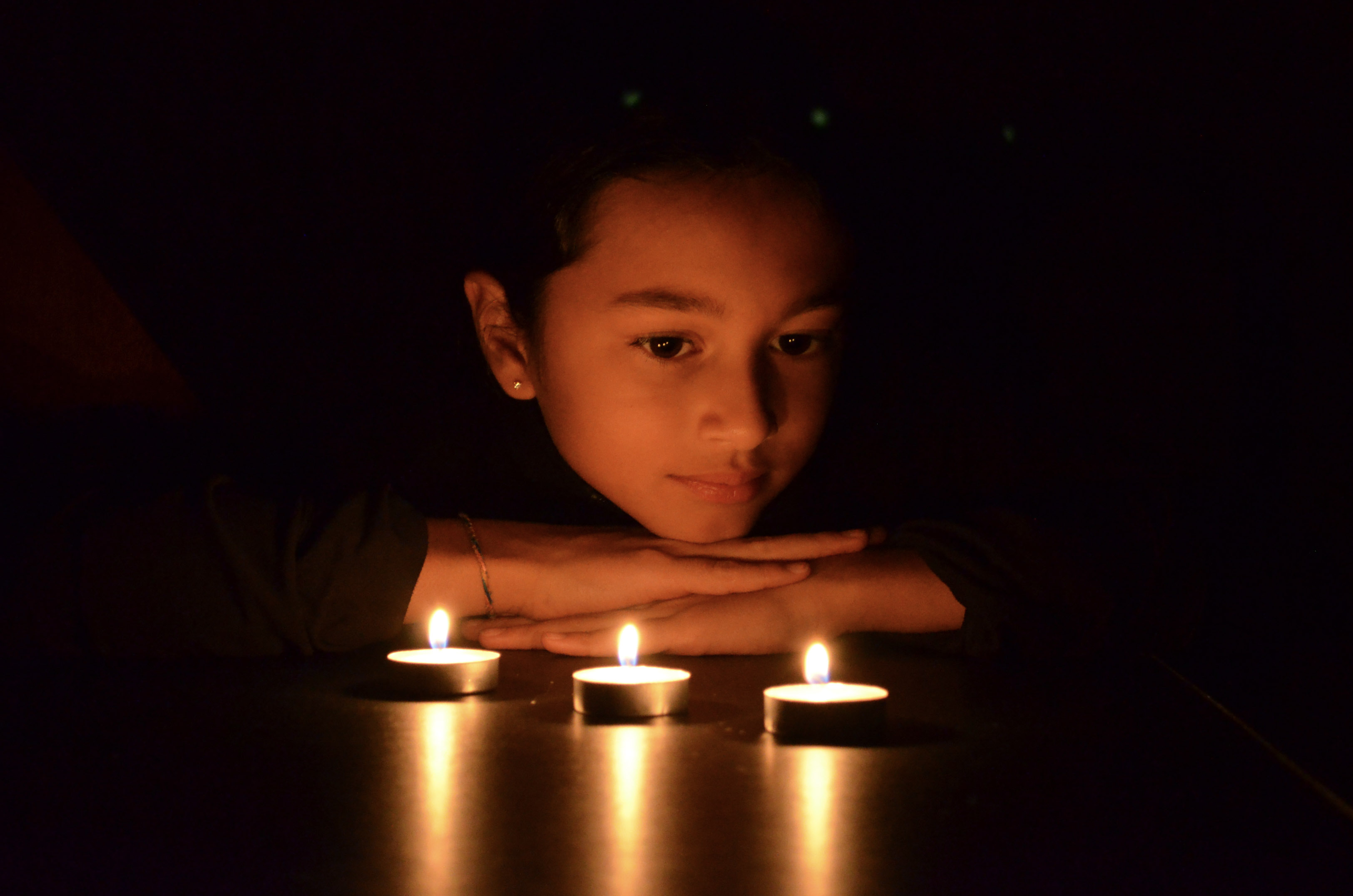
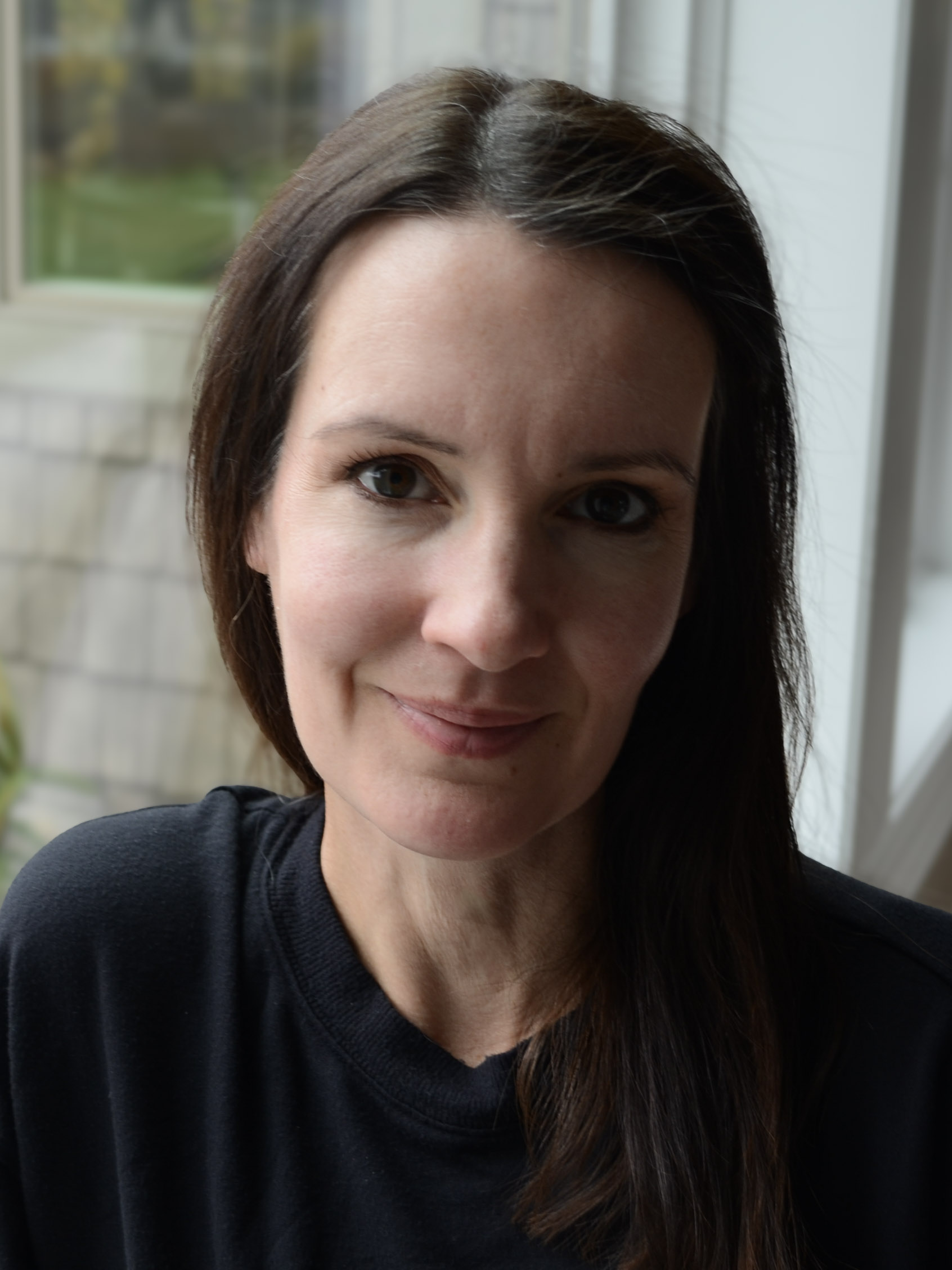
One sunny morning, for example, my daughter and I noticed during our walk to the school bus stop how the low-angle sun stretched our shadows across the pavement. I grabbed my camera and captured the moment for one of the exercises. Indoors, I experimented with side light to add a touch of drama to a self-portrait by a window. I also observed how backlighting deepened the purple hues in my crystal butterfly and created a ghostly reflection on the glass table beneath it. In another shot, I tried out my camera’s candlelight mode for a cozy portrait illuminated by votives.

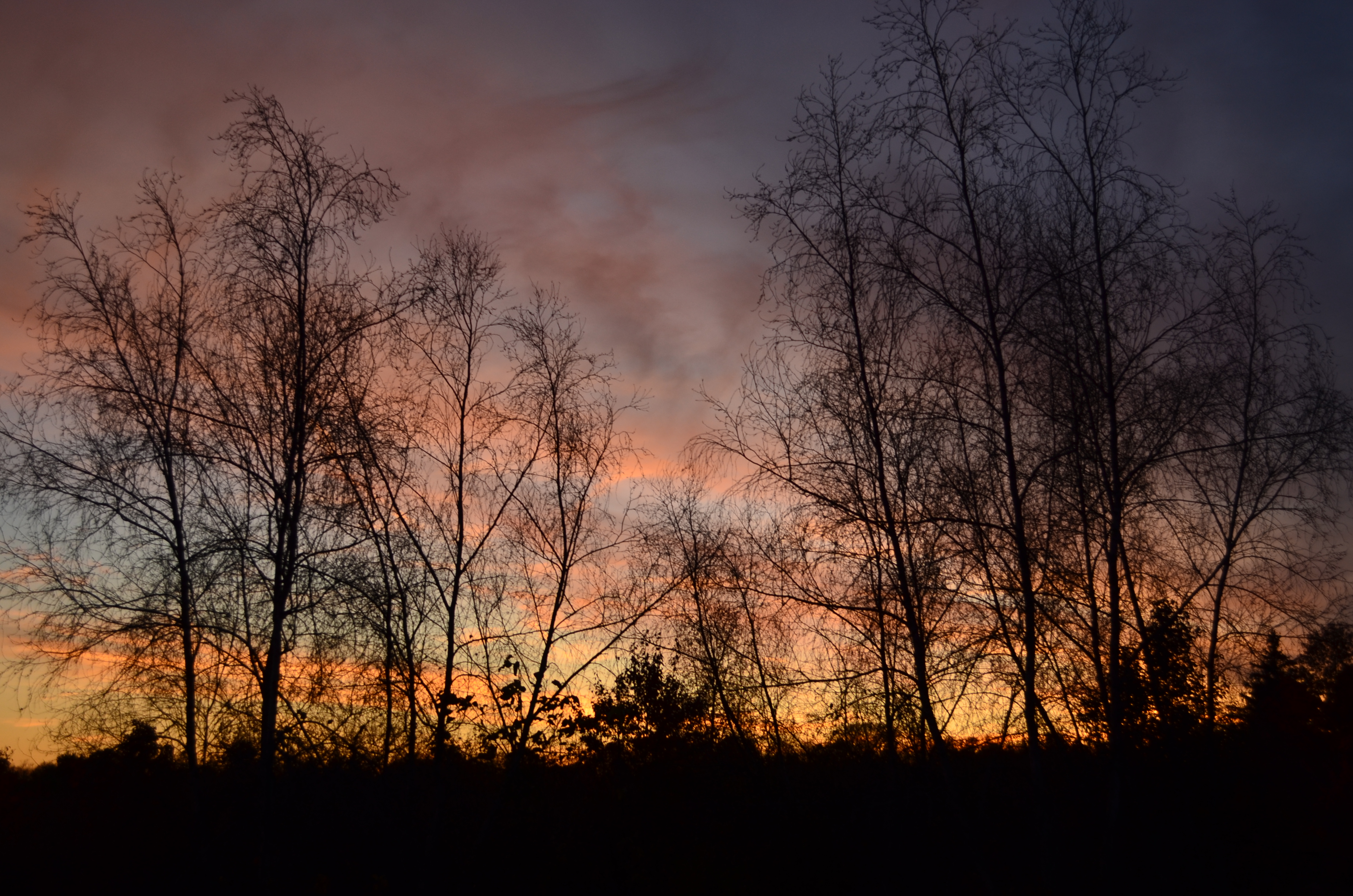
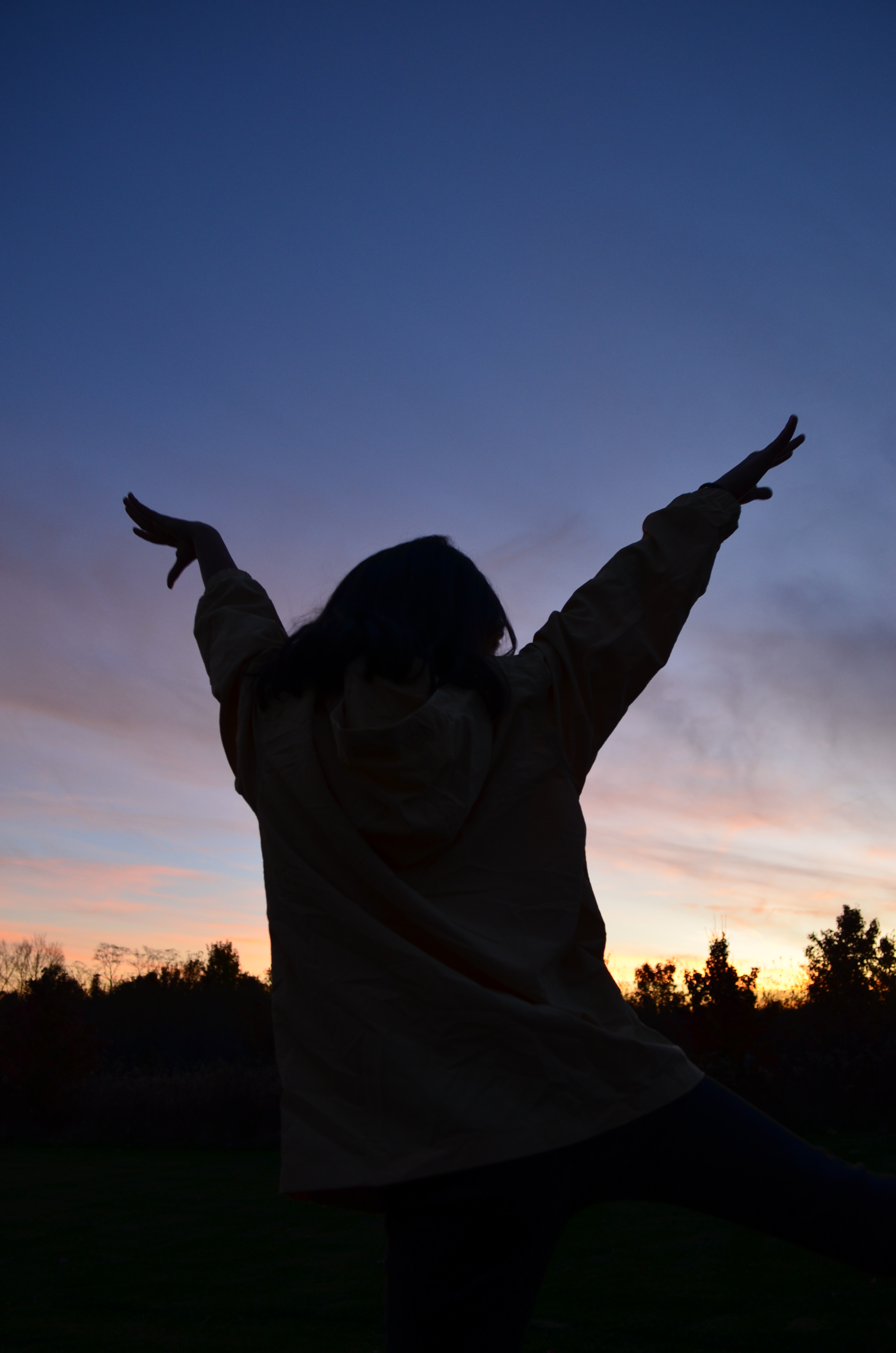
Later in the week, a brilliant sunset offered the perfect opportunity to practice photographing silhouettes. As my daughter danced around the backyard, I metered on the sherbet-orange and hot pink blaze in the sky, letting her figure fall into a dark silhouette.


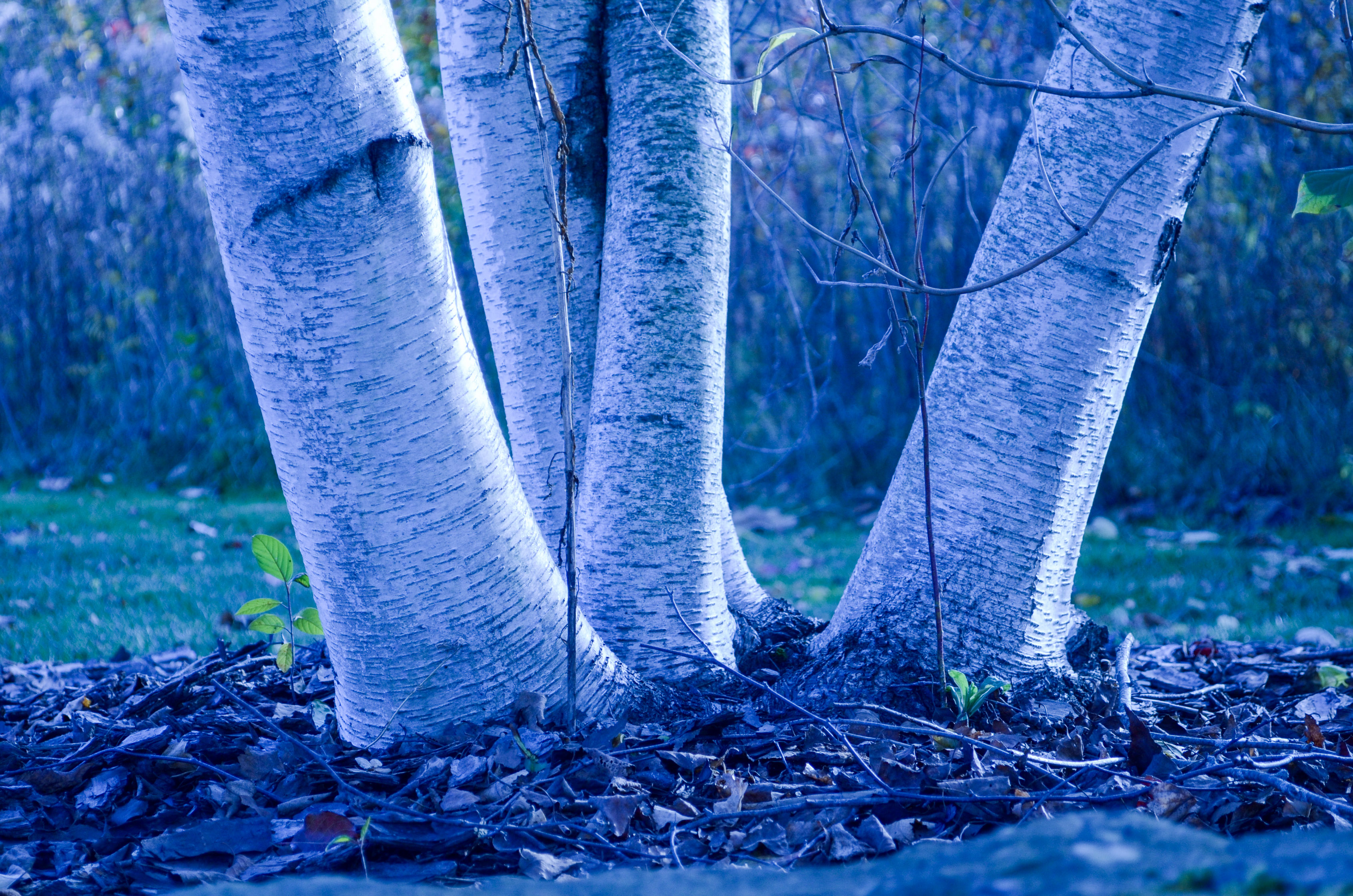
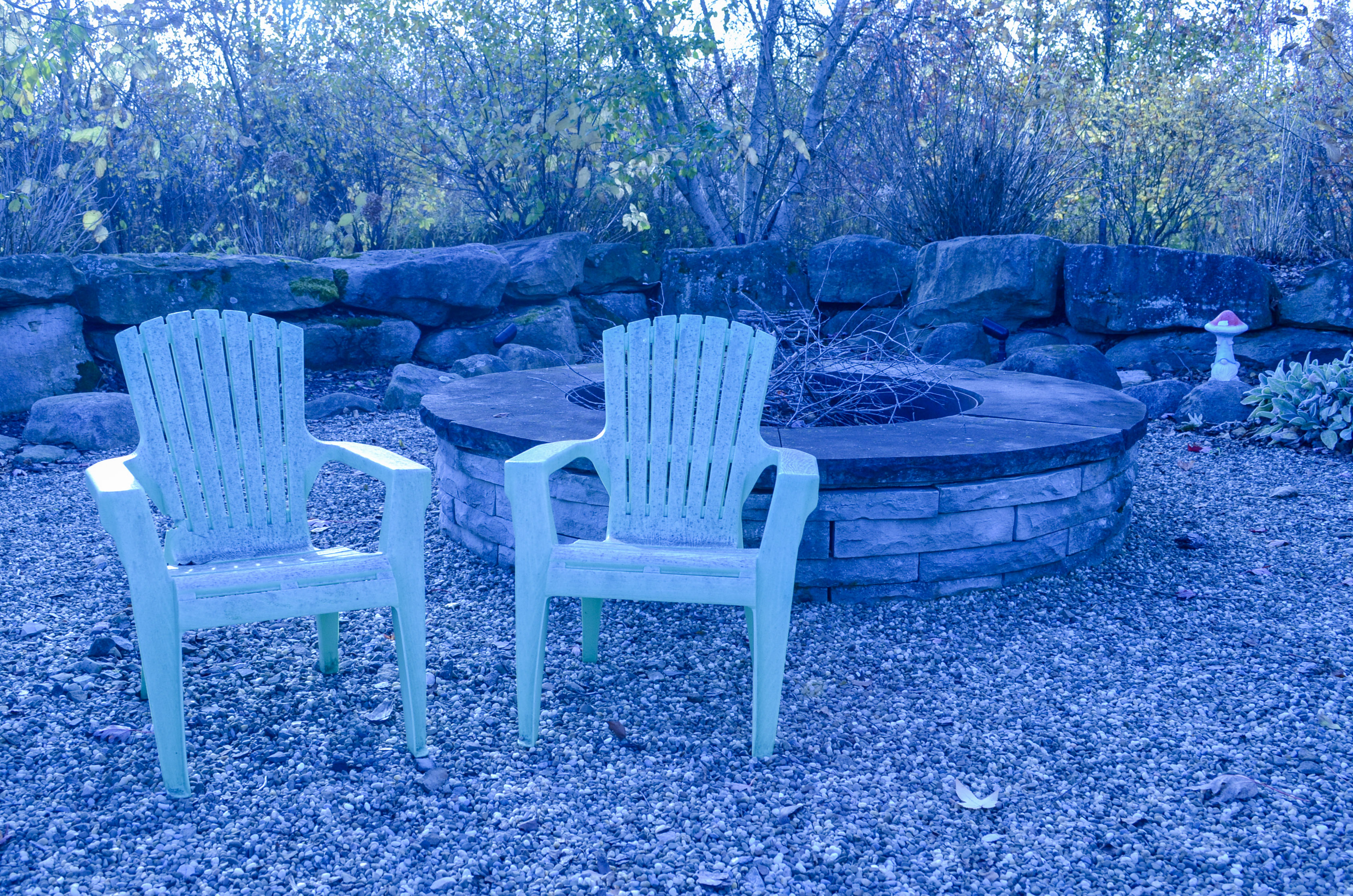
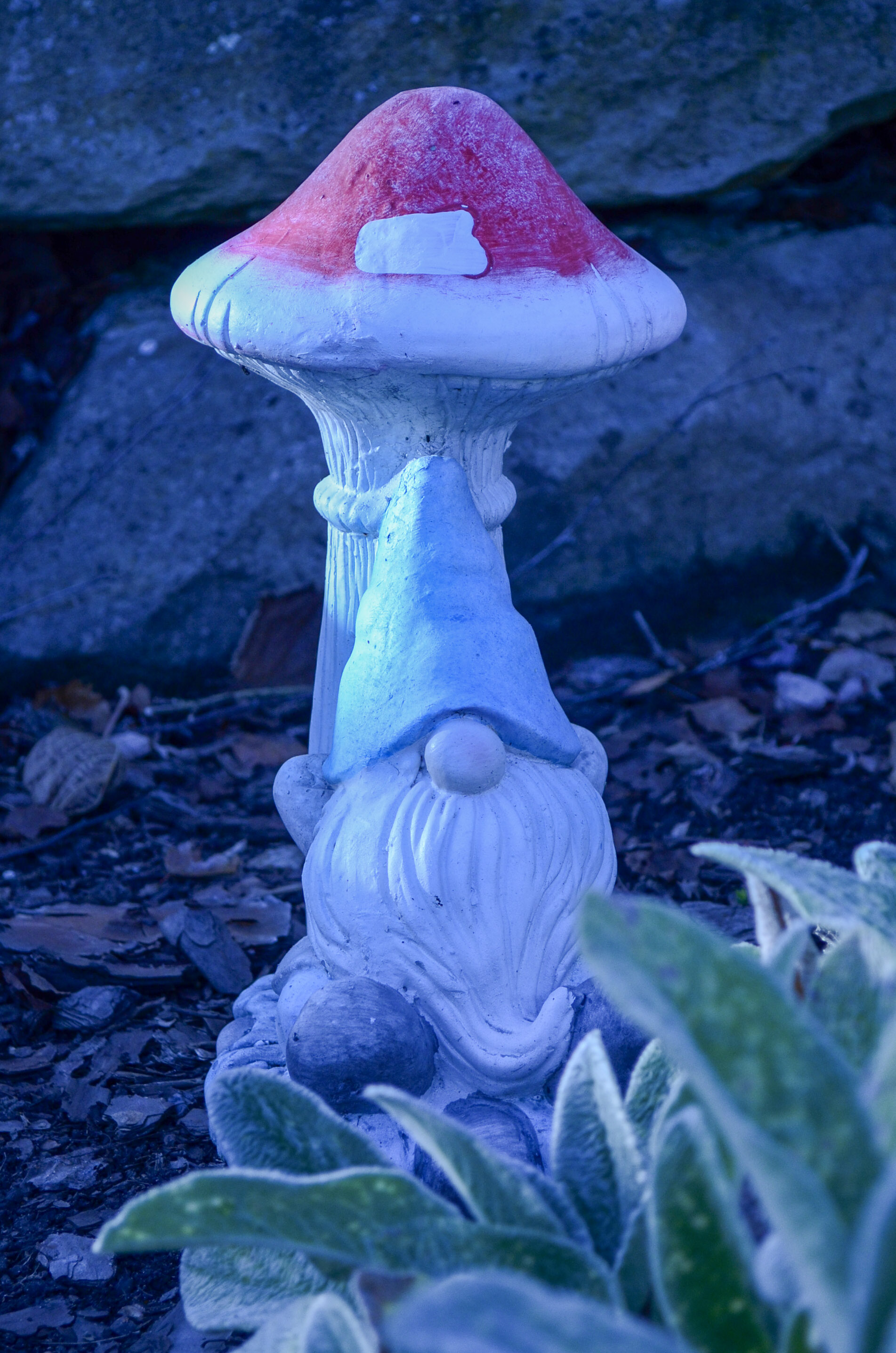
I also spent time exploring how the color of light influences the mood of a photo. We typically don’t notice that light has a color tint. Our brains correct how light is perceived so it appears neutral. On a DSLR, the white balance function corrects this color bias. Selecting the right white balance setting produces accurate colors, but intentionally choosing the “wrong” one can yield creative results. For example, I used the incandescent preset to bathe a woodsy garden scene in a blue glow to produce a haunting effect.
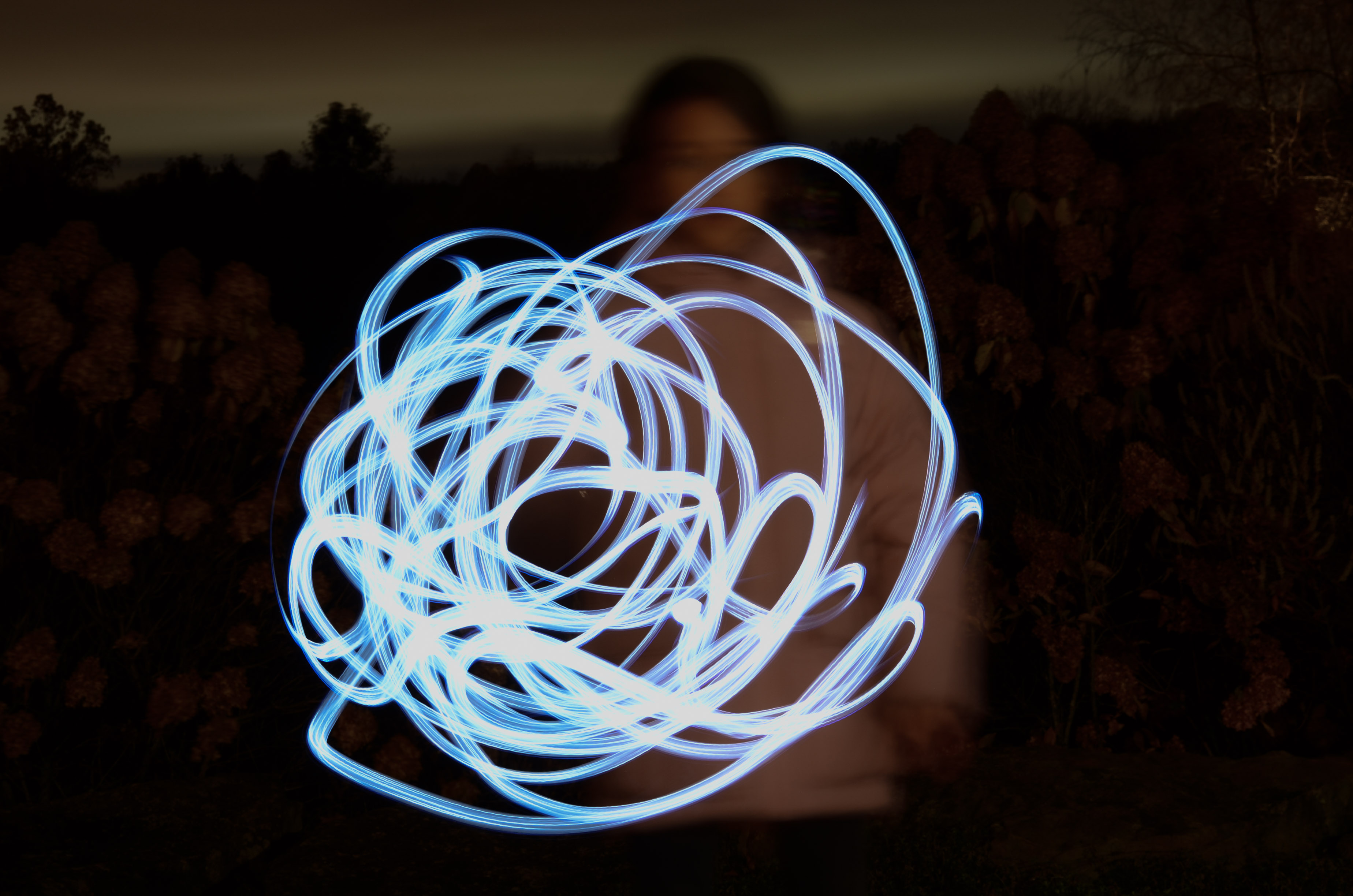
For another exercise, my daughter and I had fun painting with light. I mounted my camera on a tripod on our back porch, set the ISO to 200, and used a 30-second shutter speed. As she swirled a flashlight, the long exposure captured glowing ribbons of light floating through the night.

Continuing My Learning Journey
Now that I’ve developed a solid grasp of the fundamentals of digital photography, it’s important to maintain what I’ve learned and keep building on these first steps.
Our brains are programmed to forget what we don’t use, so I want to make sure my photography vocabulary and technical knowledge stay accessible when I’m in the field. To do that, I plan to review my flashcards weekly for the first couple of months, then shift to monthly reviews. I will also keep taking photos regularly to sharpen both my technical and creative skills. Since starting this challenge, I’ve become much less shy about bringing my camera along on outings to museums or the park. It’s actually become a great conversation starter. I’ve had wonderful exchanges with people who share their own experiences and enthusiasm for photography.
To keep growing beyond my current skill level, I plan to continue with self-paced lessons and exercises. The Great Courses Plus offers several digital photography classes taught by professional photographers. For instance, Fundamentals of Photography II explores advanced topics such as portrait, animal, and event photography. Other courses focus on travel, landscape, and wildlife photography. I like that these are flexible and can fit into my mornings before work, rather than competing with our busy evenings.
Another way I plan to grow is by looking at lots of photos. Seeing how experienced photographers use light, color, and composition helps sharpen my own eye. I plan to visit photography exhibits at the Cleveland Museum of Art, browse photography books, and follow photographers I admire on Instagram. Studying and even trying to replicate what makes their images compelling will be an important part of my ongoing learning.
Finally, learning on my own doesn’t mean learning in isolation. I recently signed up for the Cleveland Photographic Society’s email list to stay informed about guest speakers, exhibits, open critiques, and photo field trips. By engaging with a community of photographers, I hope to find mentors and gain new perspectives that will help me continue developing my skills.
Final Thoughts
My 30-day photography challenge may be ending, but my learning journey is only just beginning. Having a structured plan with clear goals helped me improve my skills dramatically in a short time. Before this challenge, I had been working on photography off and on for more than a year. Even after reading several books and taking a digital photography workshop, I still found myself struggling to recall settings and techniques in the field.
For these past four weeks of intense study, I incorporated proven strategies such as spaced retrieval practice, reflection, interleaving, and varied practice to help me retain information and apply it in different contexts. I also kept a consistent routine of reading chapters and studying flash cards in the mornings before work, then practicing the skills during photo sessions in the afternoons, evenings, and on weekends. In total, I spent about 10-15 hours each week, on top of work and family commitments, dedicated to this project.
While it was demanding at times, having a clear deadline kept me accountable and helped me make steady progress. It also helped me to prioritize the challenge in my daily routine and avoid distractions. I made some sacrifices, such as letting the house get a little messy and saying no to a few social invitations. But knowing it was only for a month made it manageable. That’s one of the greatest advantages of a shorter, more intensive learning project: it’s easier to stay focused and sustain momentum.
Overall, this challenge helped me discover new capabilities within myself. I’ve gone from casually snapping photos at birthdays and holidays to making intentional choices about light and composition to tell a story with my pictures. As my proficiency behind the camera grew, so did my confidence in my ability to learn effectively and accomplish difficult goals. I’m excited to continue building on these skills and sharing my progress on this blog. I also hope this challenge inspires you to try a structured learning project of your own – and see what 30 days can do for you!






 Project: Dabble
Leave a comment