Week 3 of my 30-day photography challenge focused on color and composition, from arranging still lifes at home to discovering patterns in art and architecture.
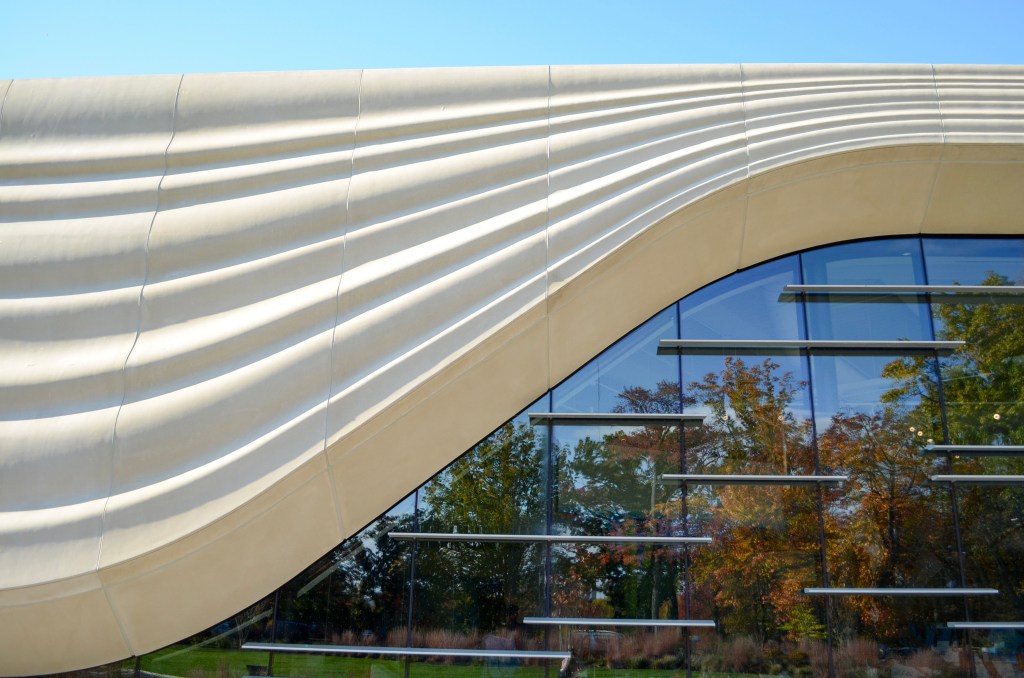
In the third week of my digital photography challenge, I focused on refining my sense of composition and color. I’ve learned to make more intentional choices about framing, balance and lighting to fit the mood and purpose of each scene, whether capturing movement, still life or landscape. I’m now producing consistently sharp, well-exposed images and beginning to think more creatively about how visual elements work together to tell a story.
In October, I set out to learn the foundations of digital photography using my Nikon D5100. Each week, I’ve focused on new technical skills while applying research-based learning strategies I’ve gathered through my career in education.
To facilitate my progress, I designed a four-week learning plan using the Digital Photography Complete Course: Learn Everything You Need to Know in 20 Weeks. The book provides a structured introduction to digital photography with weekly exercises, chapter quizzes, and checklists for evaluating your shots.
Week Three: Composition & Color
Week Three introduced theories of composition and color through chapters 12, 13, and 14 of the course. The exercises focused on:
- Applying compositional techniques such as odd numbers, the rule of thirds, and lead-in lines to create visually impactful photographs.
- Evaluating a scene and making intentional framing choices by including or excluding elements to strengthen composition.
- Incorporating principles of visual contrast to emphasize subjects and guide the viewer’s attention.
- Adjusting tonal values in an image to convey different moods and emotional impact.
- Identifying and applying the six main color harmonies (complementary, analogous, triadic, split-complementary, tetradic, and monochromatic) to create balanced and expressive color compositions.
In the Field
What better place to study color and composition than the Cleveland Museum of Art? As I wandered through the galleries, I observed how master artists arranged their subjects, using line, symmetry, negative space, and proportion to guide the viewer’s eye as well as color relationships to create harmony and contrast.
I brought my camera along and applied these principles to photograph several statues and works of art on display. One highlight included the museum’s recent acquisition Fata Morgana by Italian Renaissance sculptor Giambologna (1529–1608). I focused on the figure’s profile and gentle contrapposto stance. The lighting emphasized her serene expression and the interplay of curves and shadows across the marble surface.
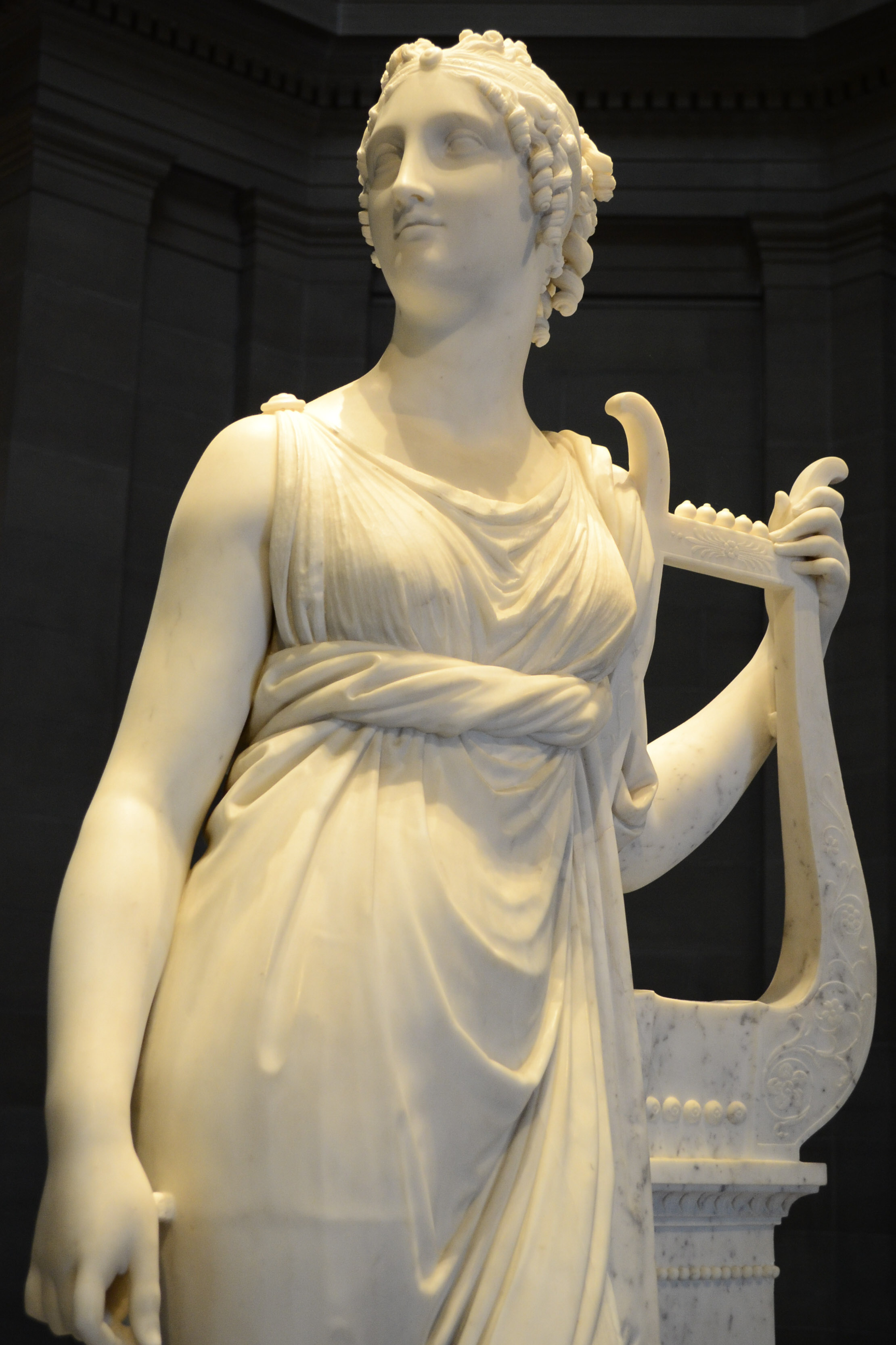
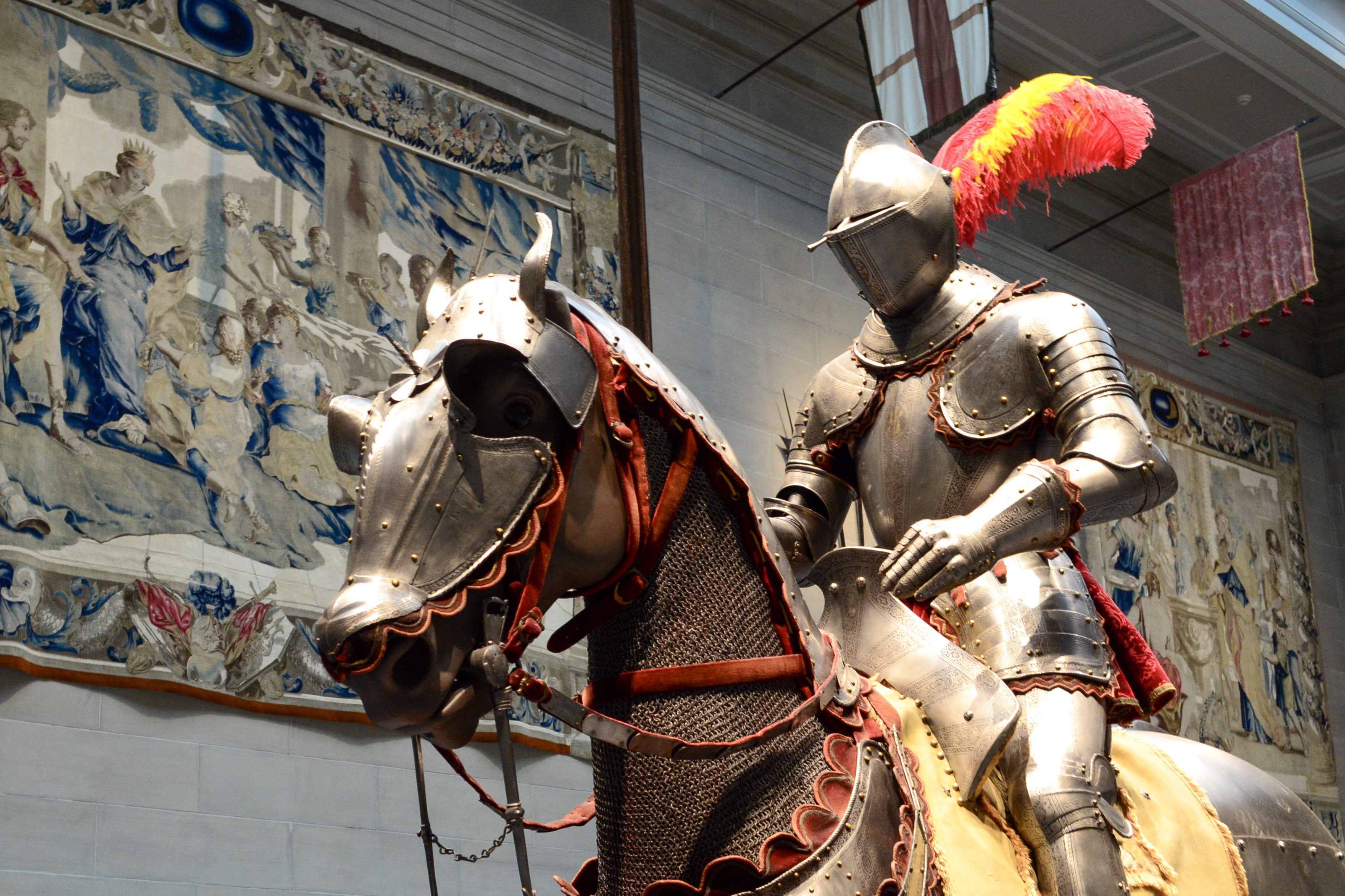
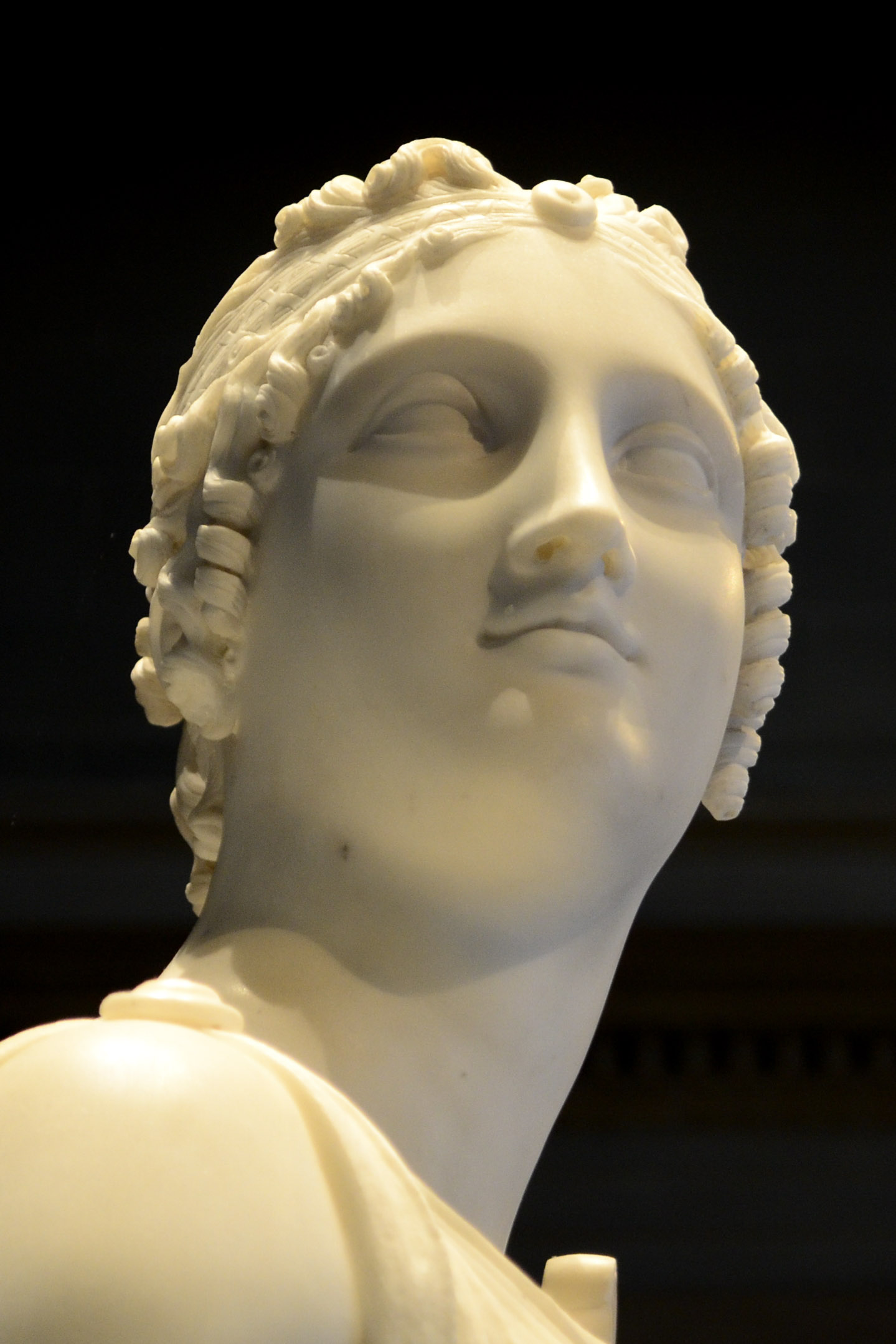
Nearby, Antonio Canova’s Muse of Poetry gave me practice with isolating the subject with a shallow depth of field to highlight the sculpture’s graceful lines and smooth marble texture. In the Armor Court, a mounted knight gleamed beneath the spotlights. Shooting from a slightly upward angle gave the figure a sense of monumentality, and I positioned him to the side to give him space to trot off into the museum.
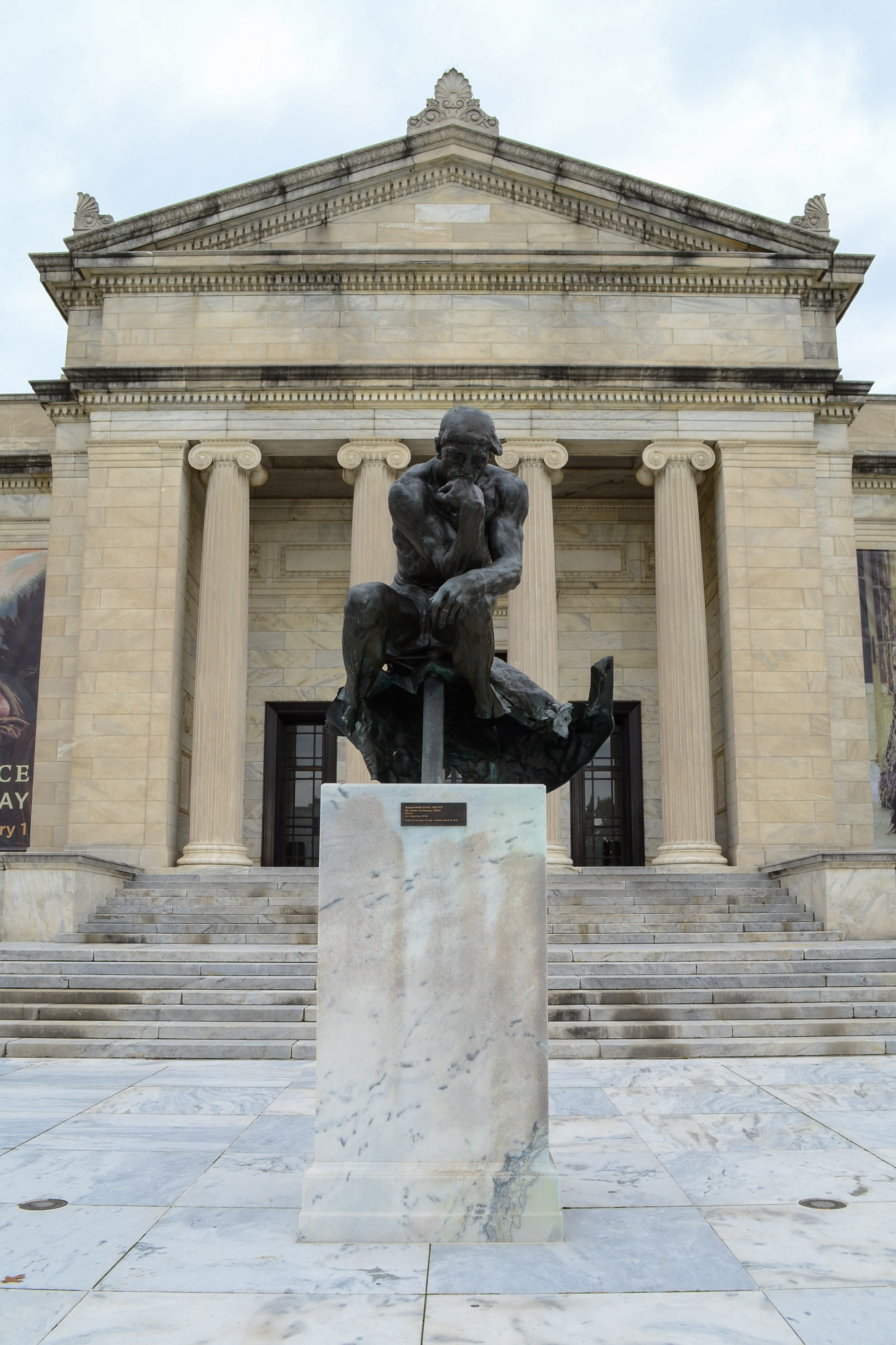
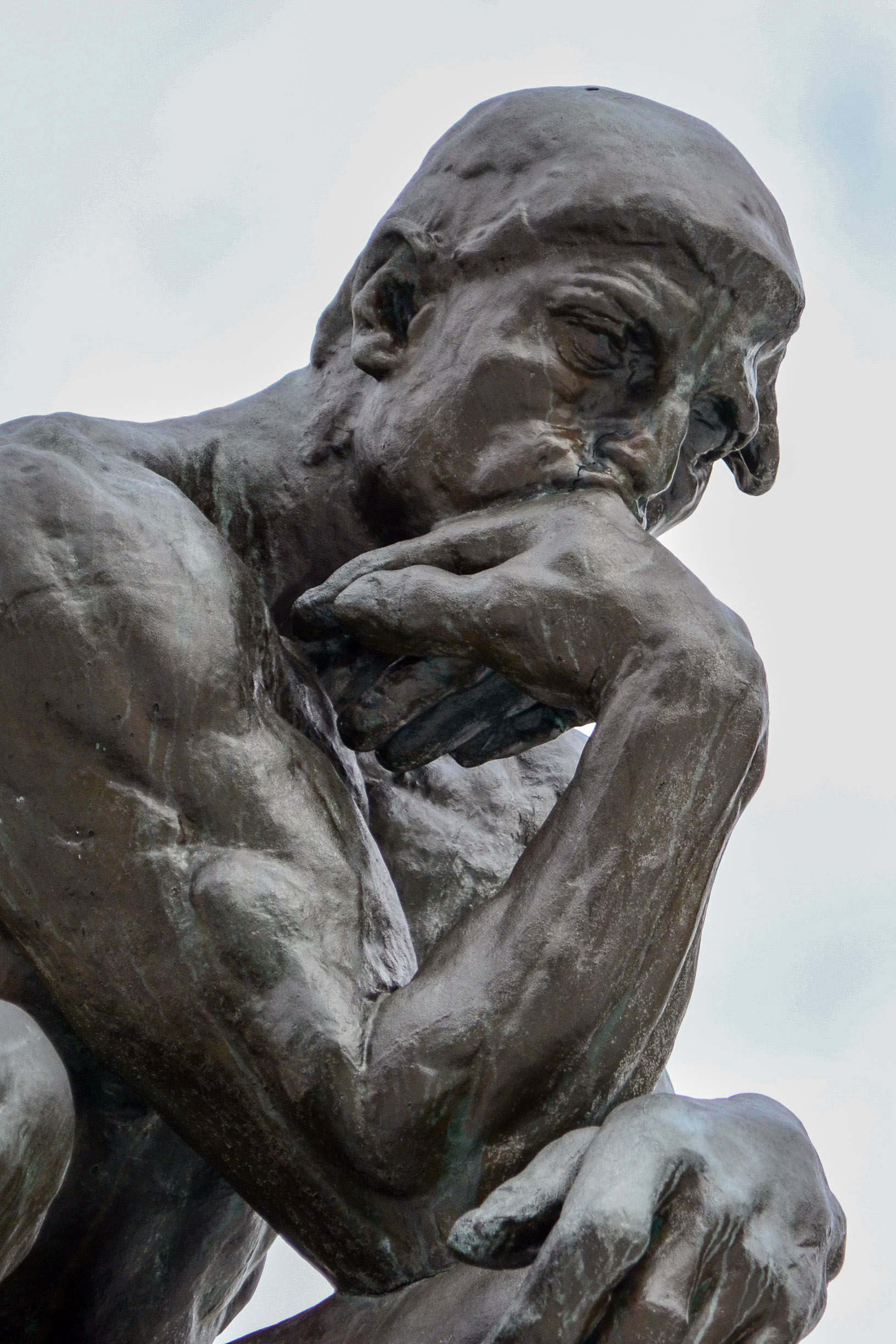
Outside, Auguste Rodin’s The Thinker offered a study in form and mood. I photographed the statue from below, using the overcast sky as a backdrop to emphasize its contemplative expression. A wider shot taken from the front of the museum conveyed a sense of quiet grandeur.
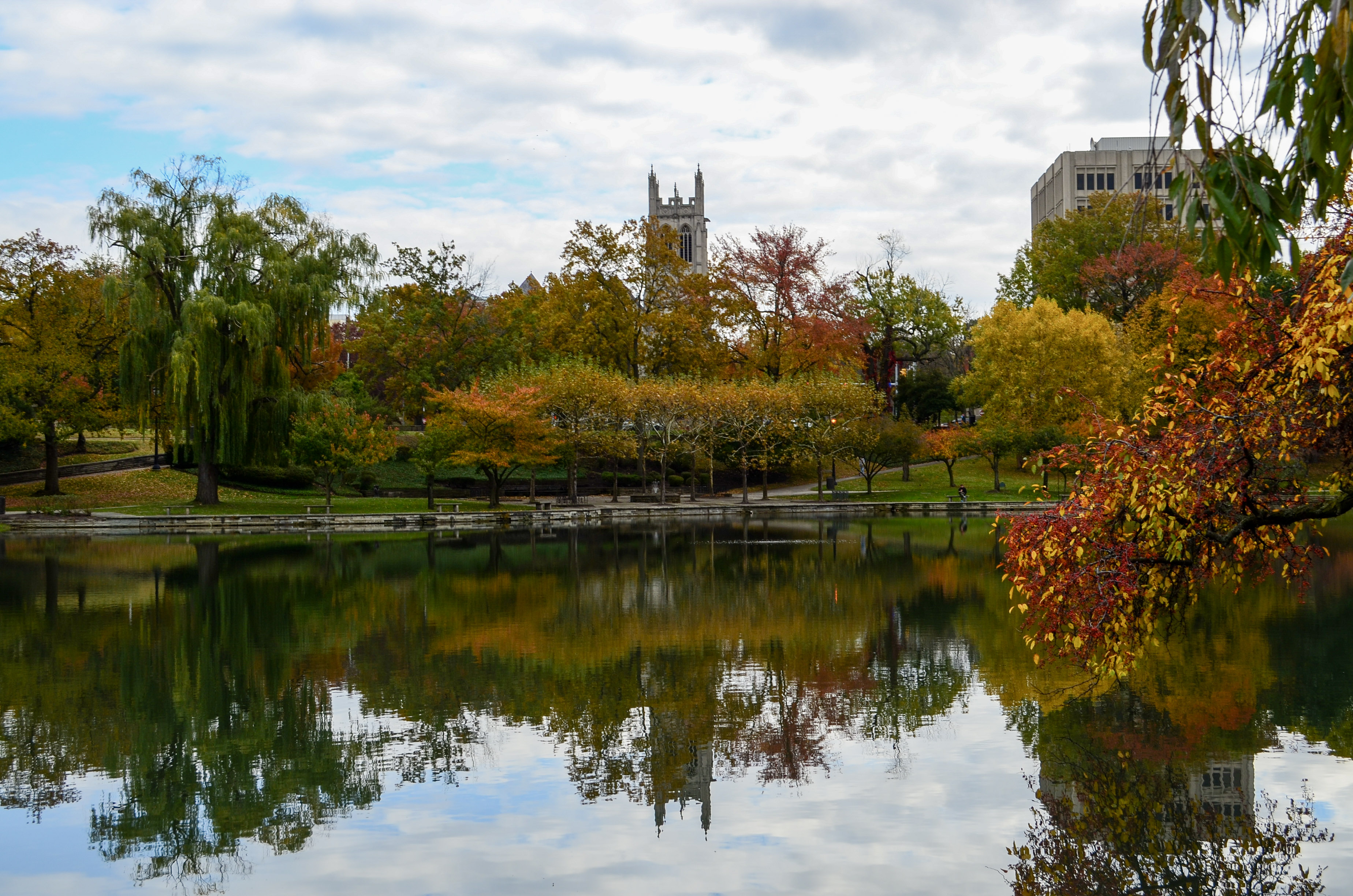
Finally, by the Wade Lagoon in the museum gardens, I experimented with symmetry and reflection. The still water formed a nearly perfect mirror. I composed the frame so the shoreline divided the image horizontally, letting the reflection anchor the composition and guide the eye between real and reflected worlds.


Natural Forms in Design
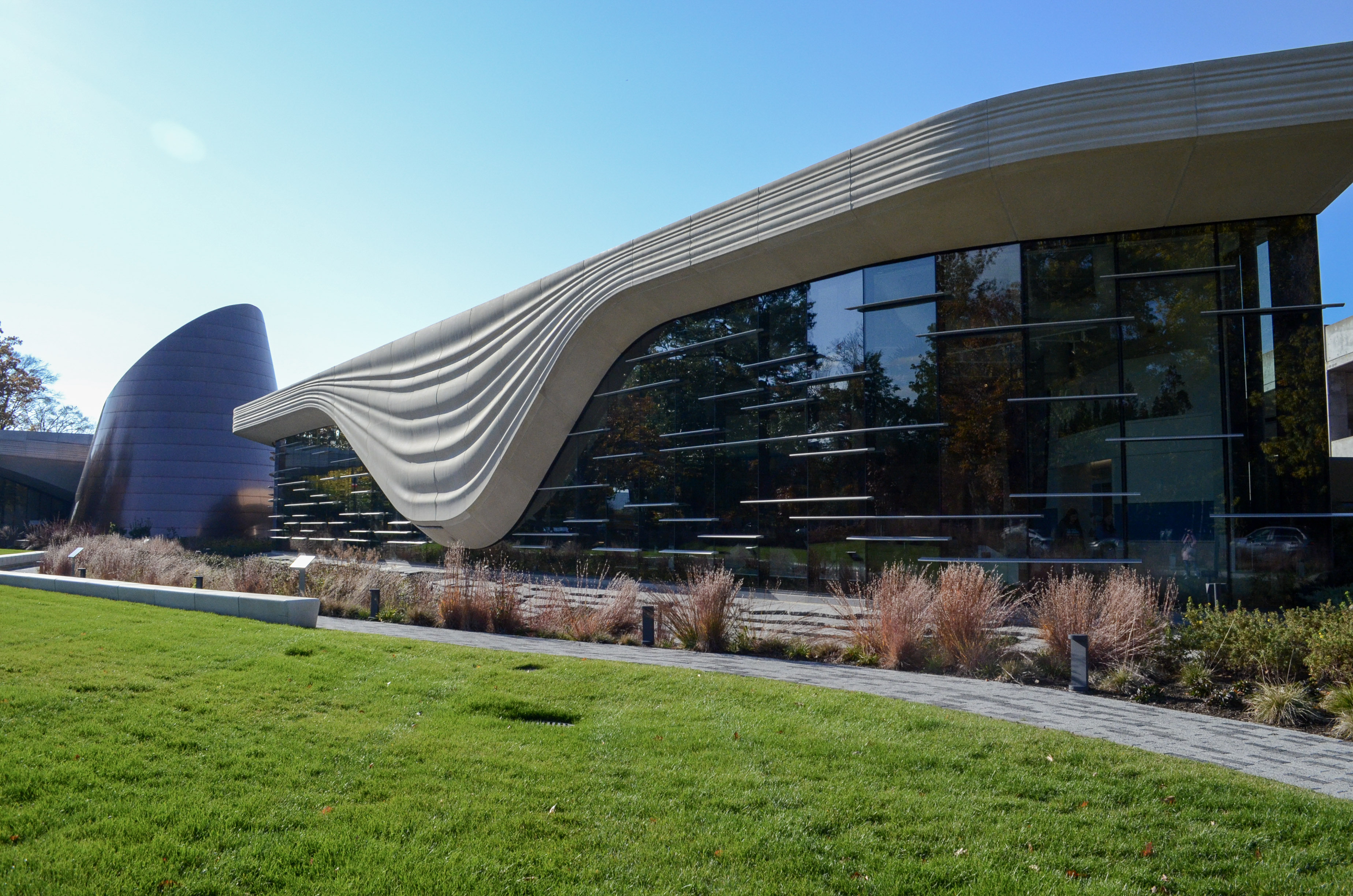
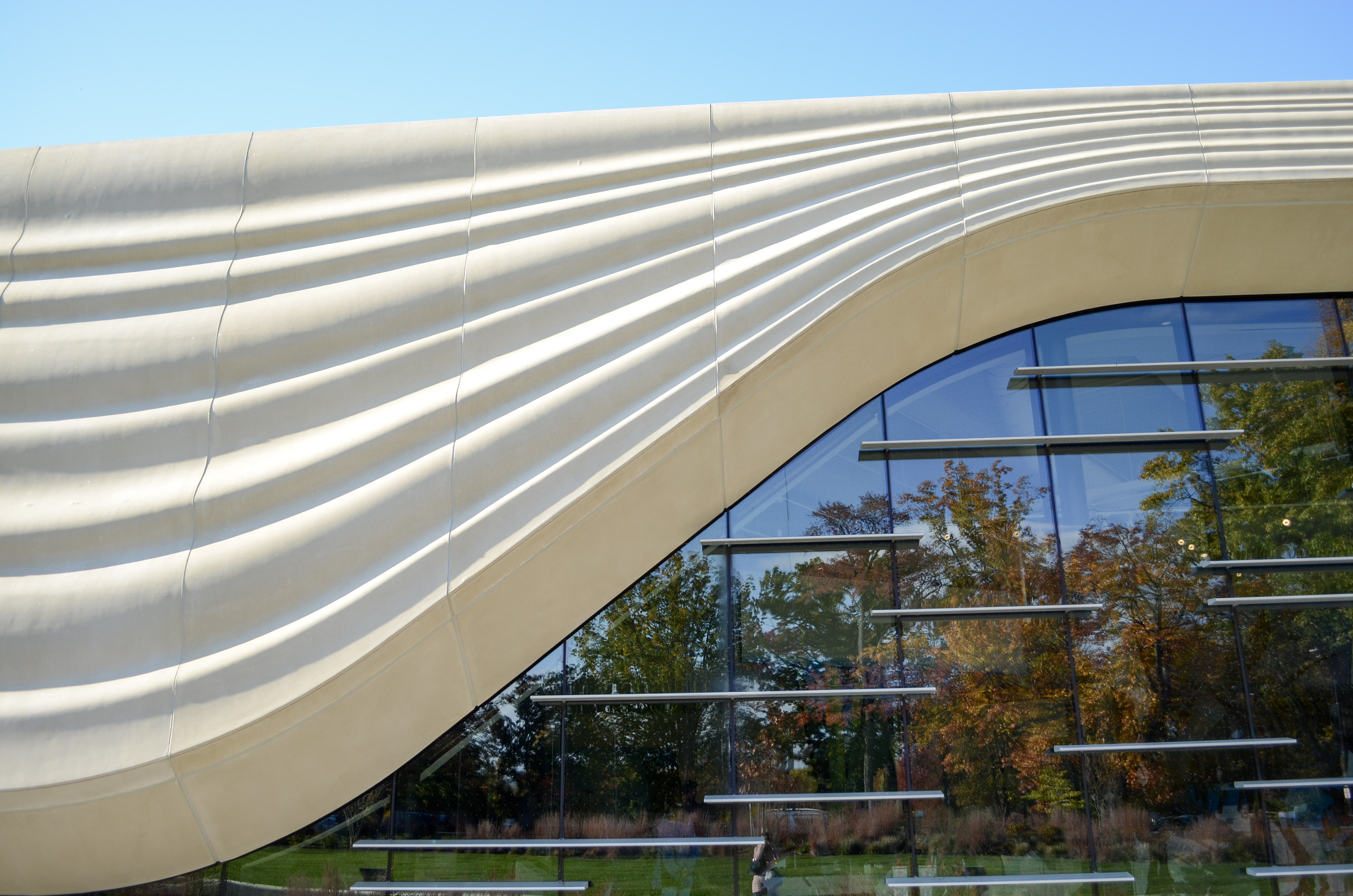
A short walk from the art museum is the recently renovated Cleveland Museum of Natural History. Designed by the DLR Group, the building takes inspiration from the region’s glacial past and surrounding waterways. With my camera, I captured how the structure rises like a geological formation. The rippled stone, glass facades and curved, organic lines evoke the movement of water and ice that formed the Great Lakes region of Northeast Ohio.
Inside, I photographed Happy, the museum’s 70-foot sauropod that greets visitors in the main exhibition hall. From a low angle, the fossil’s long neck and spine cut diagonally across the ceiling’s flowing lines, creating a powerful sense of movement and scale.



Playing with Color
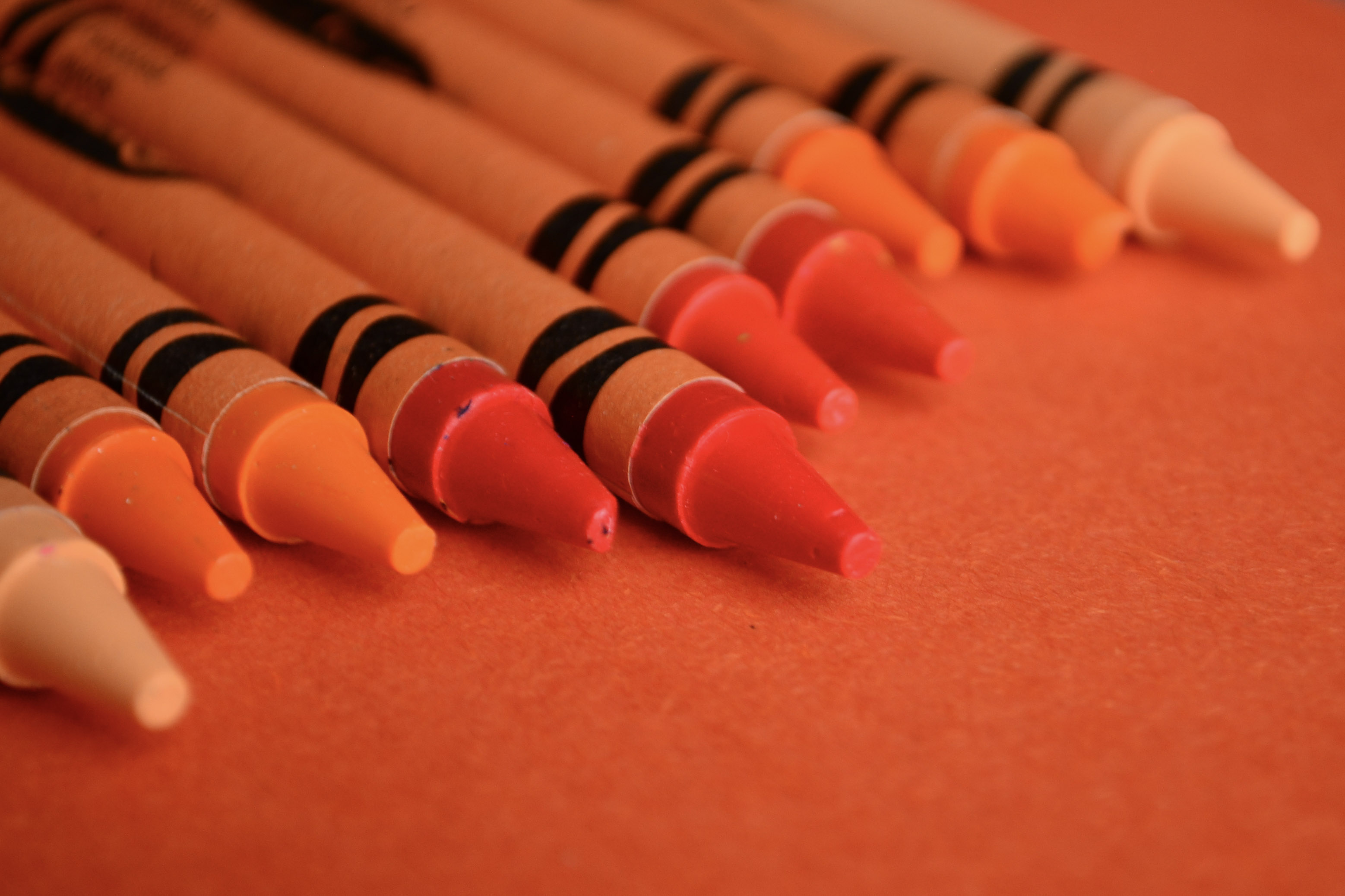
This week, I also had fun exploring color relationships by creating still lifes at home and by going on photo walks. For one exercise, I arranged crayons from the same color family to create a monochromatic image. Monochromatic color schemes are sometimes dismissed as boring or one-dimensional. But the subtle gradations in the tones of the crayons looked striking and elegant. I used depth of field and lead-in lines to create a focal point and set the picture style to vivid to make the colors pop even more.
Next, I experimented with complementary colors, which sit opposite each other on the color wheel. When paired, they intensify one another. I photographed an orange origami crane that my son folded for me and placed it against a sapphire blue backdrop. The combination made the two colors seem to vibrate together.
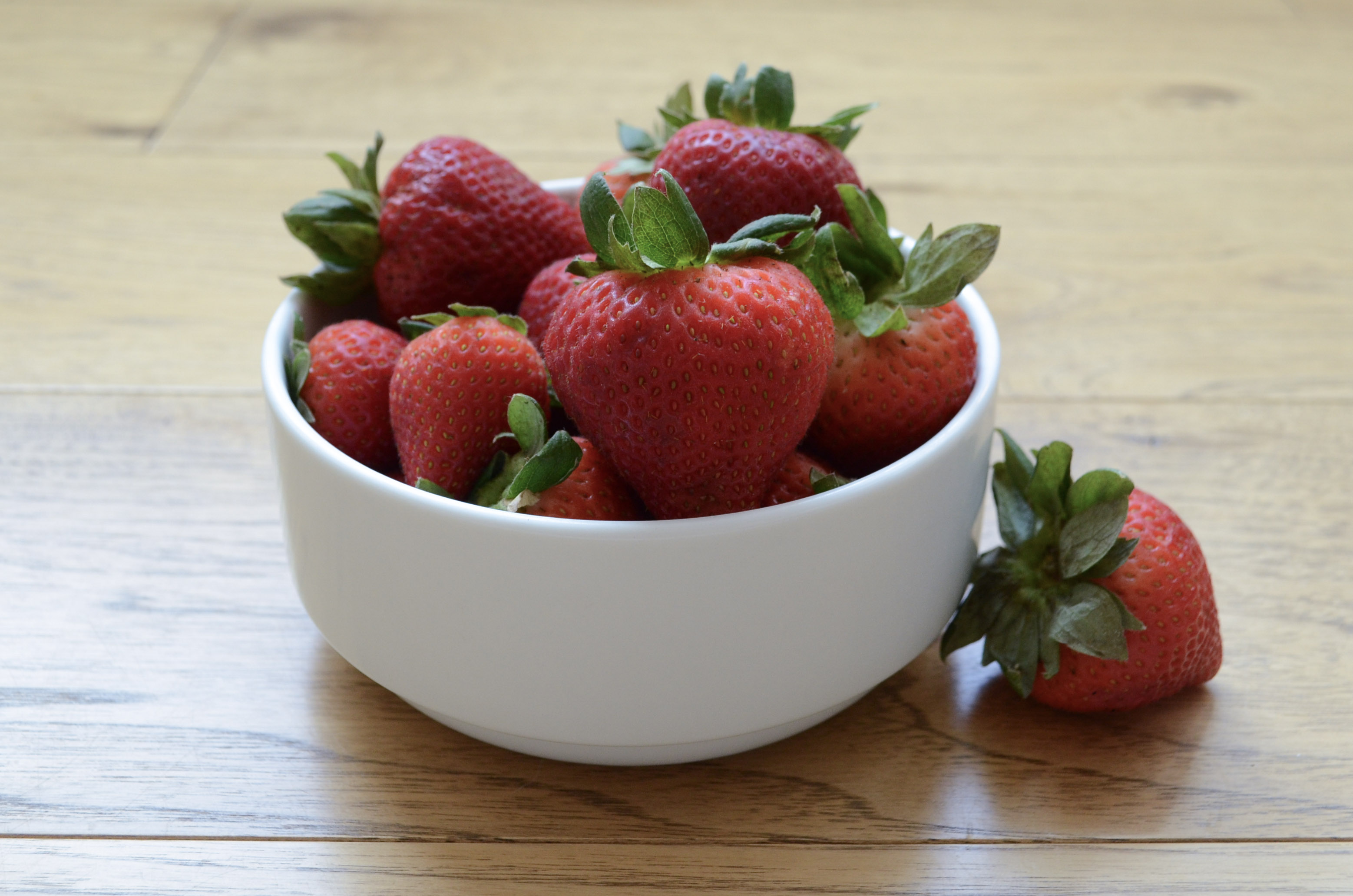
I also explored the classic pairing of red and green, first with a bright green Granny Smith apple among red Fujis and then with a cheerful red bridge framed by late-fall greenery at the Cleveland Botanical Garden.
Finally, I experimented with neutral colors to highlight texture. I arranged a simple white cream pitcher on a burlap cloth to capture the contrast between smooth ceramic, woven fabric, and wood grain.





Study Strategy: Interleaved and Varied Practice
Throughout this 30-day challenge, my study schedule has covered three or four chapters of reading and practice each week, which means I’m constantly rotating among different skills. Rather than drilling a single technique for an entire session, I alternate between compositional exercises such as the rule of thirds or lead-in lines and color studies that explore contrast, tonal balance, and harmony.
This approach of switching between multiple related skills instead of mastering one completely before moving to the next is known as interleaved practice. It’s effective because it forces the brain to work harder at retrieving information and distinguishing among different concepts. This strengthens memory and improves long-term retention. By mixing topics, you increase your ability to recognize patterns, build stronger connections, and adapt your knowledge to new situations. This “productive struggle” feels more difficult initially, but it ultimately leads to deeper understanding and more flexible problem-solving.
Another powerful learning strategy is varied practice. This involves practicing a skill in different conditions to build long-term retention and adaptability. Photography naturally lends itself to this approach because every scene presents new variables. Even within a single session, the light, weather, and position of the subject can change quickly. Varied practice develops what psychologists call transfer, the ability to apply what you’ve learned to new or unpredictable situations.
It’s natural to think we learn best by focusing on one skill at a time and repeating it until it feels automatic. This approach gives the satisfying illusion of quick progress because repetition leads to short-term improvement. But those gains fade quickly. To make learning stick, we need to mix things up.
In photography, both interleaved and varied practice train the eye and brain to assess each scene and choose the right settings, techniques, and compositional tools. Mixing up my practice has helped me recall technical settings and make creative decisions, even when the environment is unpredictable.
Looking Ahead
As I head into the final week of my challenge, I’ll be exploring light, including how to work in low light and use flash more creatively. The timing is perfect. Daylight saving time has ended, and November’s shorter days offer new challenges with light. I’ll share another update on my progress, but in the meantime, you can follow along with some of my favorite shots on Instagram.






 Project: Dabble
Leave a comment