In Week 2 of my 30-day photography challenge, I explored how contrast, depth of field, and movement influence the mood and impact of a photo.

Halfway through my 30-day photography challenge, I’ve moved from getting familiar with my camera’s settings to thinking more deeply about how technical choices affect the mood and impact of a photo. This week’s lessons focused on contrast, depth of field, and conveying movement.
Earlier this month, I set out to learn the foundations of digital photography with my Nikon D5100. My goal at the end of this challenge is to be able to consistently create well-exposed, visually engaging photos that incorporate the essentials of composition, lighting, and storytelling.
Each week, I’m tackling new technical skills while applying research-based learning strategies I’ve gathered during my career in education. To accomplish my goals, I designed a four-week learning plan using The Digital Photography Complete Course: Learn Everything You Need to Know in 20 Weeks.
The book provides a structured introduction to digital photography with weekly exercises, chapter quizzes, and checklists for evaluating your shots. This approach aligns with my belief that systematic, active learning leads to mastery and durable knowledge retention.
Week 2: Contrast, Depth of Field & Movement
Building on the first week’s lessons on camera modes, focus, and exposure, Week 2 introduced several new technical areas: contrast, depth of field, and conveying movement. I read chapters 5, 6, 10, and 11 and completed the corresponding exercises, which included:
- Analyzing a scene’s contrast and adjusting settings or composition to enhance image quality.
- Evaluating lighting conditions and working within the camera’s dynamic range to preserve detail in highlights and shadows.
- Comparing visual outcomes in high- and low-contrast scenes.
- Selecting and applying different apertures to control depth of field for creative effect.
- Demonstrating how aperture, focal length, and subject distance influence depth of field.
- Capturing sharp, well-exposed close-up images.
- Using shutter speed creatively to freeze or blur motion.
- Practicing panning techniques to track a moving subject and create intentional motion blur.
While it’s impossible to master all of these skills in a single week, I intentionally designed this challenge to introduce each concept rapidly and build familiarity through repetition and application. The intensity keeps me engaged and helps prevent the procrastination that can stall longer self-paced projects.
This week deepened my familiarity with how contrast, depth of field, and motion interact with exposure and focus, even as I recognize there’s much more to learn. I plan to continue practicing these skills as I move into the next two weeks, which focus on composition, color, and light.
Study Strategy
A core part of my approach has been incorporating spaced retrieval practice of the key concepts and vocabulary outlined in each chapter. Spaced retrieval practice involves recalling information from memory without looking at notes, but doing so at increasing intervals of time.
Quizzing yourself after a delay, once a bit of forgetting has set in, makes retrieval more effortful and, as a result, strengthens memory and deepens learning. This strategy also helps reveal gaps in understanding and prevents the illusion of knowing that can arise from rereading or reviewing notes too frequently.
In photography, the ability to remember how to adjust settings on the spot in response to changing light and movement can make the difference between a well-exposed image and a missed shot.
I’ve used two main forms of retrieval practice so far:
- Flashcards for Key Concepts: Each morning, I take notes on 3×5 index cards on the vocabulary and main ideas from each chapter. Every few days, I quiz myself using the flash cards and sort them into “strong” and “weak” piles to target the concepts I need to revisit. This system has been highly effective in helping me recall camera settings while shooting in the field.
- Journaling for Reflection: I also keep a photography journal where I write about what went well, what could have gone better, and what I’d like to try next time. Reflection is not only a form of retrieval, it also promotes elaboration as you connect new knowledge to what you already know and generation as you rephrase key ideas in your own words or mentally rehearse what to do next time. Each of these cognitive processes helps make learning more durable.
Research shows that students who write summaries and generate examples after a lesson retain information longer and perform better on long-term assessments than those who simply reread their notes. For more on reflective writing, see my posts Journaling for Beginners and Best Journaling Tools and Resources for Beginners.
In the Field
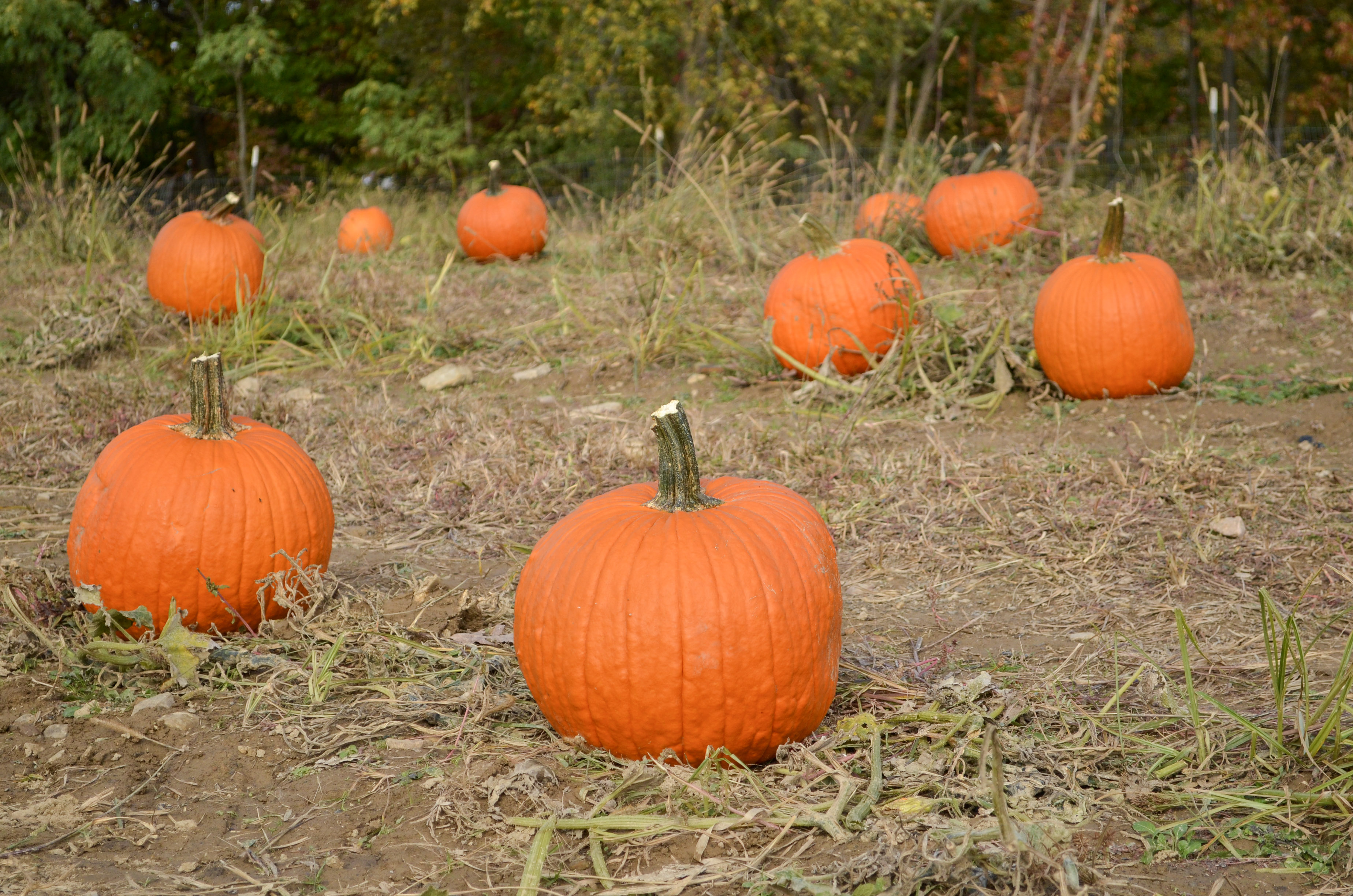
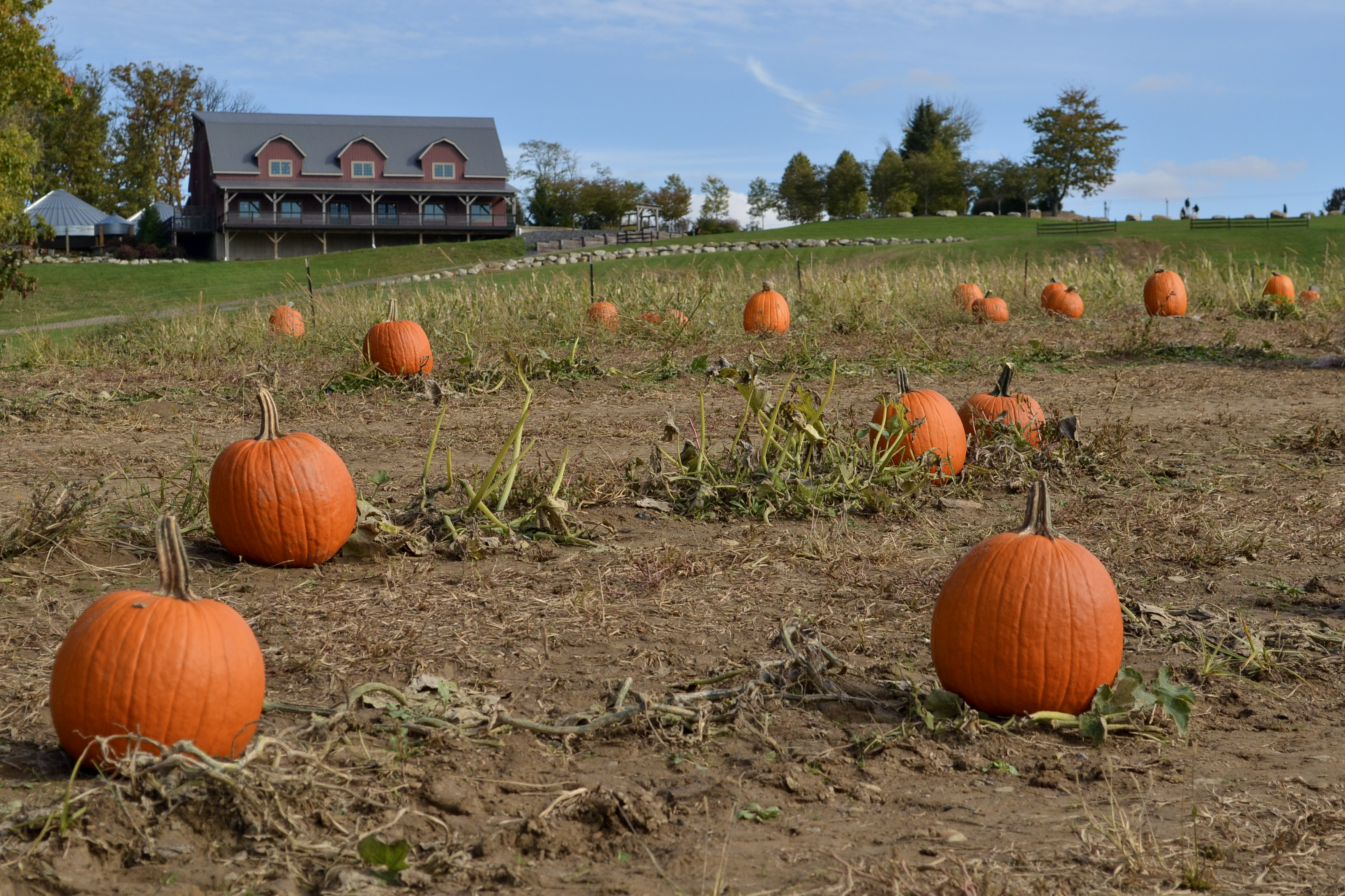
For this week’s practice exercises, I had fun capturing the colors and textures of autumn in Cleveland. I practiced depth of field and explored the effects of contrast during a sunny afternoon at a local pumpkin patch. Because our family outings don’t always line up with the “golden hour” (the soft, warm light shortly after sunrise or before sunset), I had to work with the challenges of harsh midday light, bright highlights, and deep shadows. The cloudless blue sky made for a perfect day for picking pumpkins, but not necessarily for taking photos.
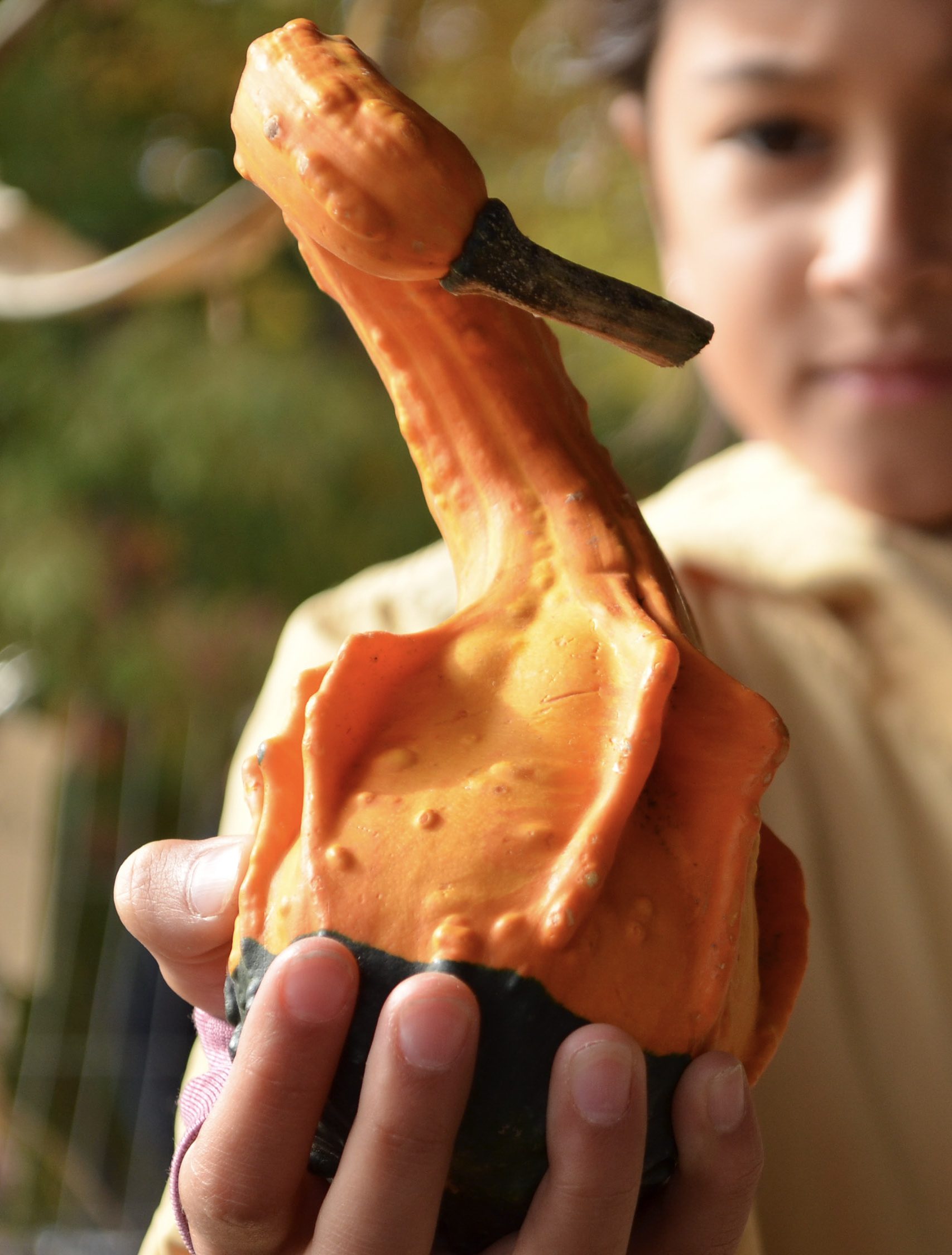
Still, since my main goal is to strengthen my photography skills to better capture our special family moments, I rose to the challenge. The contrast helped highlight the geometric patterns of the farm’s giant pumpkin wall and the bumpy textures of the gourds. In post-production, I used Lightroom to soften the shadows and balance the exposure.
I’ve also grown more confident adjusting the aperture to create both shallow and deep depth of field. I was able to intentionally blur backgrounds to emphasize individual pumpkins as well as use a smaller aperture to keep the landscape of the pumpkin patch and farmhouse in focus.


Close-Up Photography
Close-up photography became a fun new creative outlet for me. I turned a stainless steel fork into abstract art by moving in close and experimenting with creative lighting. In Lightroom, I lowered the exposure and increased the highlights to give the image an otherworldly feel.
Likewise, a fallen leaf caught my attention with its intricate network of veins glowing gold in the afternoon light. I experimented with backlighting to emphasize its translucent structure and subtle color gradations.


Conveying Movement
Finally, I explored how movement can convey energy and emotion in a photo. During an afternoon of roller skating in our neighborhood, I practiced freezing motion to capture sharp details in action shots and panning to blur motion and suggest speed. These exercises also gave me a chance to work with Focus Tracking and set the Motor Drive to Continuous mode to capture a burst of images.
While I was consistently able to freeze motion, I’m still refining my technique with panning to achieve a smooth, effective blur. I plan to continue practicing this skill as I move into next week’s lessons.


Looking Ahead
As I begin Week 3, I’ll be focusing on composition and color while continuing to refine the foundational skills from the first two weeks. I’ll share another update on my progress. And in the meantime, you can follow along with my favorite shots on Instagram.







 Project: Dabble
Leave a comment