Autumn is the perfect season to try something new, whether it’s making corn husk dolls, learning about the history of Halloween, or experimenting in the kitchen with seasonal flavors.
Fall is the perfect season to start a new learning project. School starts up, we settle back into routines, and the calendar feels a little more predictable.
Even as the year winds down, there’s something about fall that feels like a fresh start. And because so many of the season’s traditions revolve around family gatherings, it’s also a wonderful time to connect with others through cooking, crafting, or enjoying the outdoors.
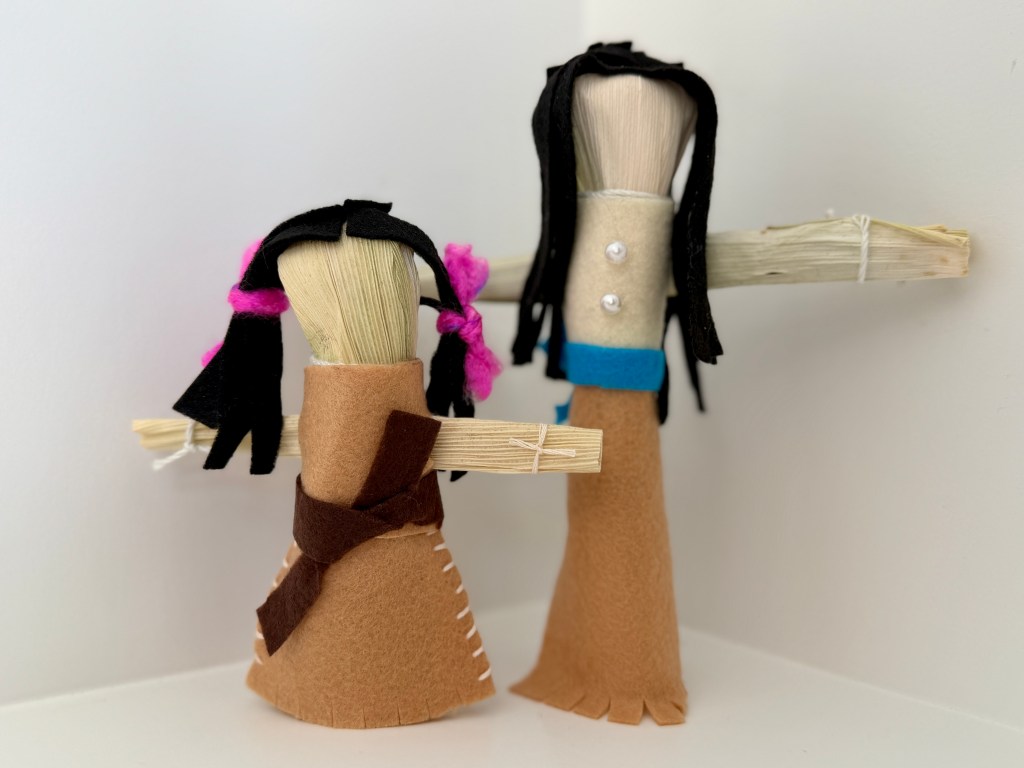
Recently, my kids and I tried our hands at making corn husk dolls. We used dried husks from corn we picked up at our local farmer’s market and had a blast stitching clothing and sashes from felt. Native American tribes began making dolls from corn husks over a thousand years ago. Jennifer Trainer Thompson notes in The Joy of Family Traditions that they were often made from the last husk of the season and plowed into the first furrow in spring to ensure a fruitful harvest.
Feeling inspired to learn something new? Here are a few ideas for autumn learning projects to get you started.
Celebrate the Autumn Moon
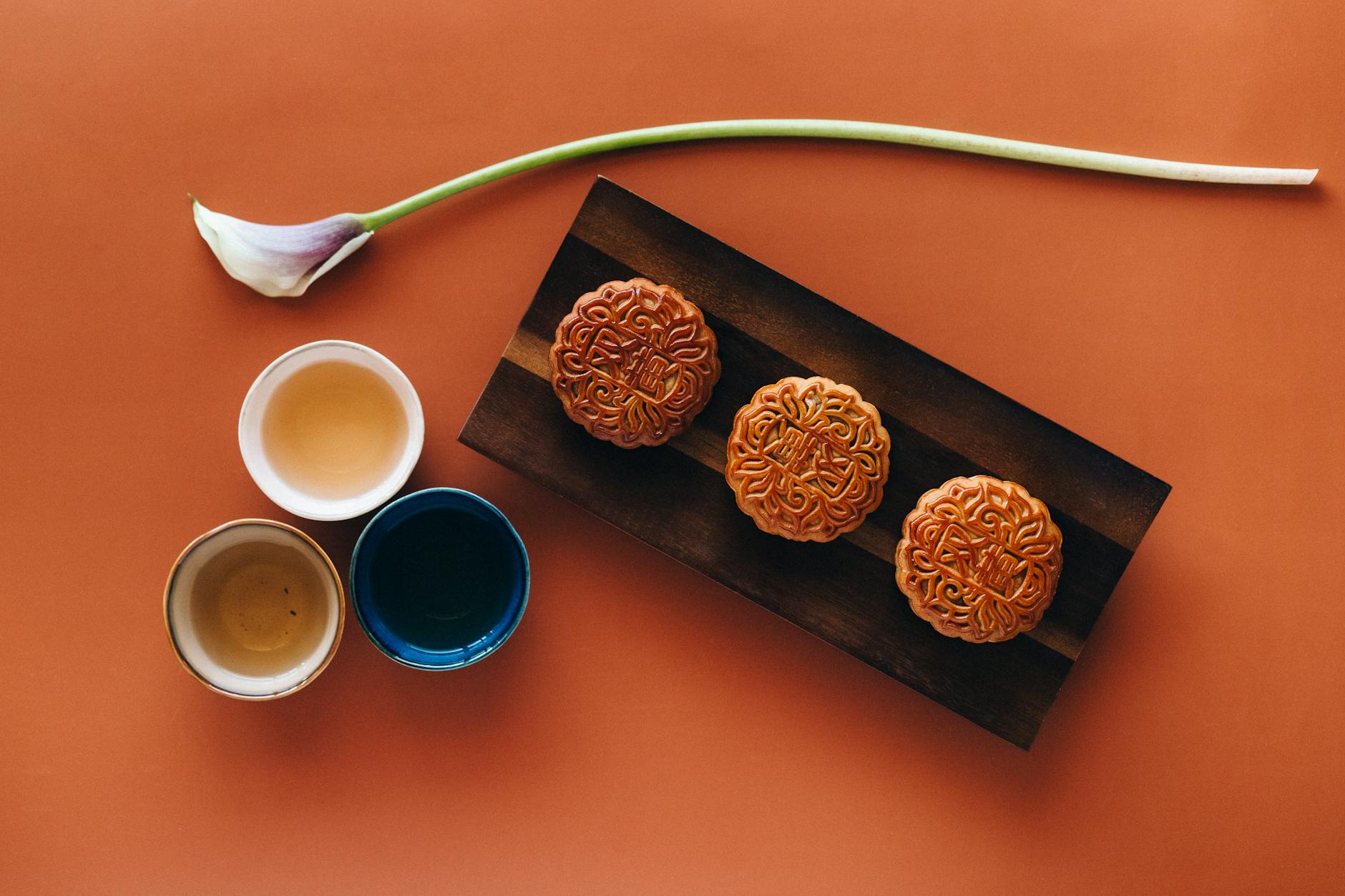
Across Asia, fall is the season of moon festivals, also called harvest or mid-autumn festivals. In China, the Harvest Moon Festival is one of the most important family holidays. It’s celebrated when the full moon appears on the 15th day of the eighth lunar month, usually in mid-September. Families gather for meals featuring roasted meats, tea, and mooncakes, which are round pastries that symbolize unity and harmony.
Learning Project Inspo: Explore how different countries celebrate the autumn moon. Sample mooncakes from a local Asian bakery, or learn about the legends behind the moon, like the story of Chang’e, the moon goddess in Chinese folklore. Make paper lanterns to hang in your backyard during the full moon, and spend an evening moon-gazing with your family, sharing stories or poems inspired by the night sky.
Learn How to Brew During Oktoberfest

Oktoberfest began in Munich, Germany, in 1810, when King Maximilian hosted a grand public celebration for his son Prince Ludwig’s wedding. The festivities included parades, horse races, and plenty of beer. The event was such a success that it became an annual celebration. By 1880, the festival was moved to late September to get ahead of the Alpine chill and early snow.
When German immigrants came to the United States in the 19th century, they brought the festive spirit of Oktoberfest with them. Today, it remains a lively celebration of music, dancing, and Bavarian fare in towns and cities across the country.
Learning Project Inspo: Learn about the brewing process and how ingredients like hops, malt, and yeast influence a beer’s flavor and style. You could even try making your own small-batch brew. Many local breweries offer beginner workshops. If you’d rather sample than brew, take a tasting class to learn how to identify different beer styles, their histories, and how to pair them with food.
Discover the Roots of Halloween
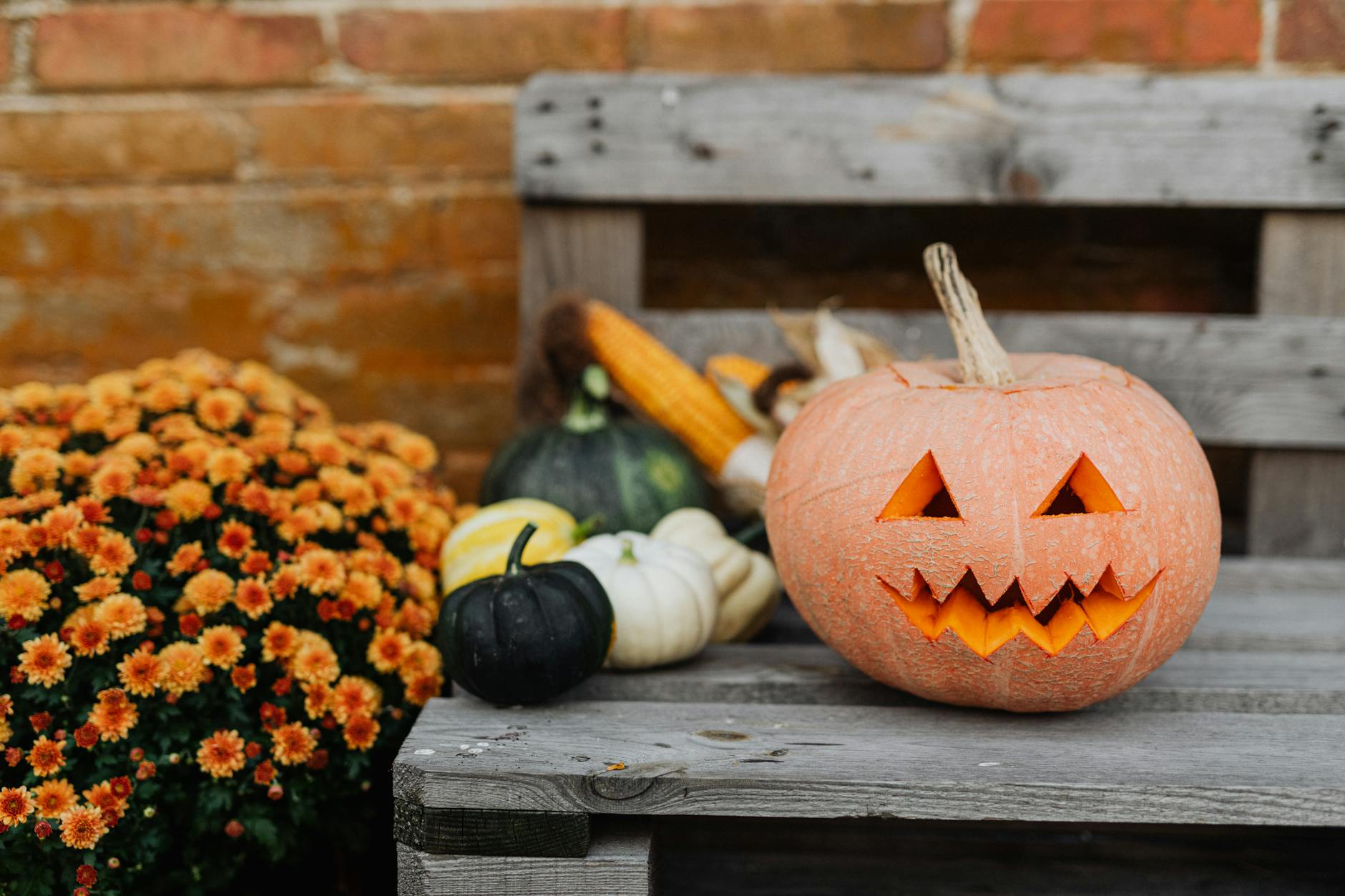
Costumes, candy, grimacing pumpkins. What’s not to like about Halloween? Many of our favorite spooky traditions trace back to the ancient Celtic festival of Samhain, which marked the end of harvest and the beginning of winter.
The Celts believed that on the night of October 31, the barrier between the living and the dead grew thin, allowing spirits to cross into the mortal world. On Samhain Eve, people lit fires, wore masks to confuse wandering spirits, and carved faces into gourds to keep evil away. People gathered to sing and ask for food to appease the spirits, while families set an extra place at the table for recently departed loved ones.
Learning Project Inspo: Discover how Halloween evolved from these Celtic traditions into the American holiday we know today. Try making Colcannon, an Irish dish of mashed potatoes and cabbage traditionally served at Halloween with a foil-wrapped coin hidden inside for good luck. For an eerie history lesson, explore your community’s past with a cemetery walk. Make rubbings of historic tombstones, then visit your local historical society to learn more about the people remembered there.
Savor the Tastes of Autumn
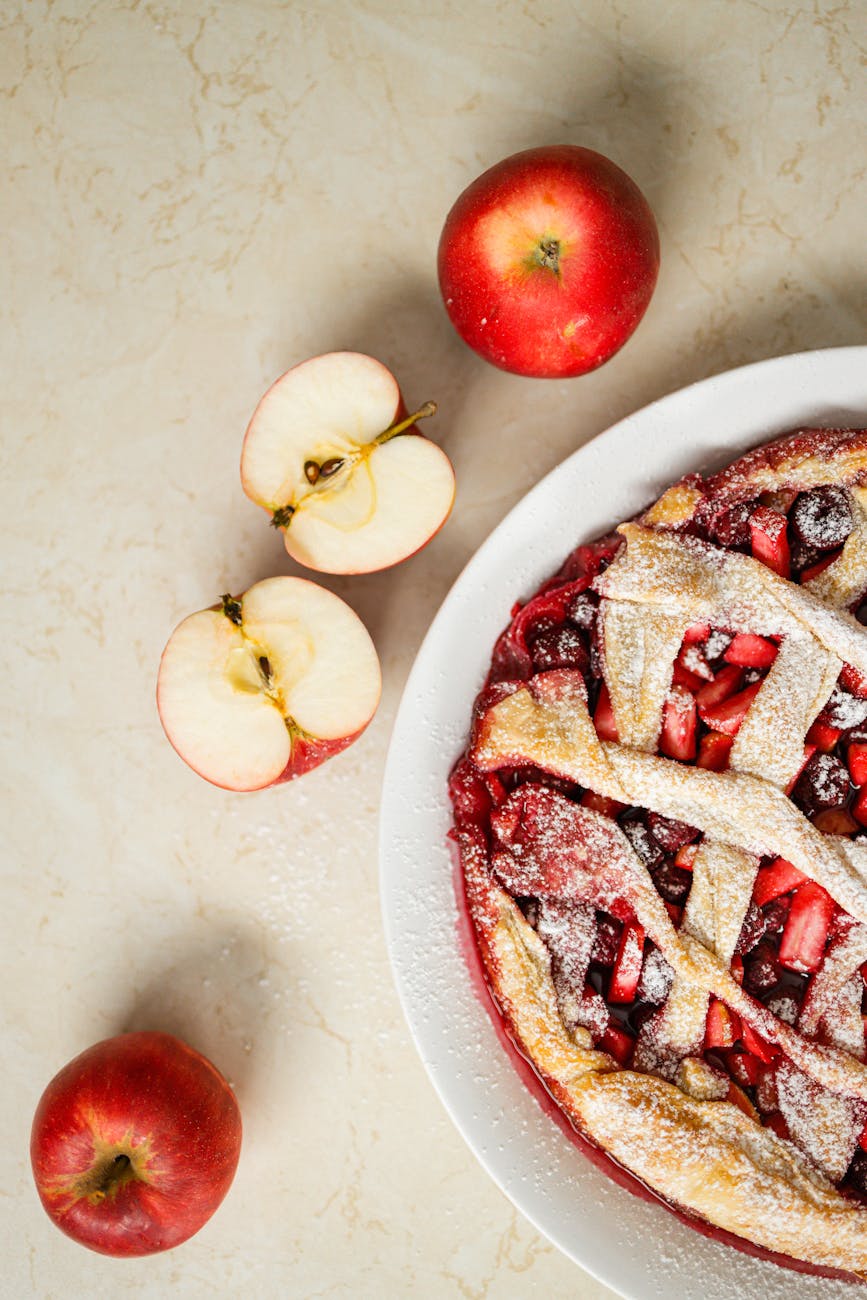
Fall’s abundance makes it the perfect season for comfort cooking. Visit your local farmer’s market to pick up root vegetables for a hearty stew, or bake pumpkin bread and apple pie together as a family.
Learning Project Inspo: Learn how to dry herbs to use during the winter or get creative by making a centerpiece from pumpkins and gourds. In The Joy of Family Traditions, Jennifer Trainer Thompson suggests making fidget pie, a traditional English harvest dish made with bacon, onions, potatoes, and apples. Once served to farmworkers to mark the end of the season, it’s a delicious way to celebrate the harvest.
Fall offers so many ways to explore, learn, and create. What projects are you dabbling in this season? I’d love to hear your ideas in the comments. Happy dabbling!







 Project: Dabble
Leave a comment